BioBag 3-Gallon Compostable Food Scrap Bags Review: Eco-Friendly but Durable Enough?

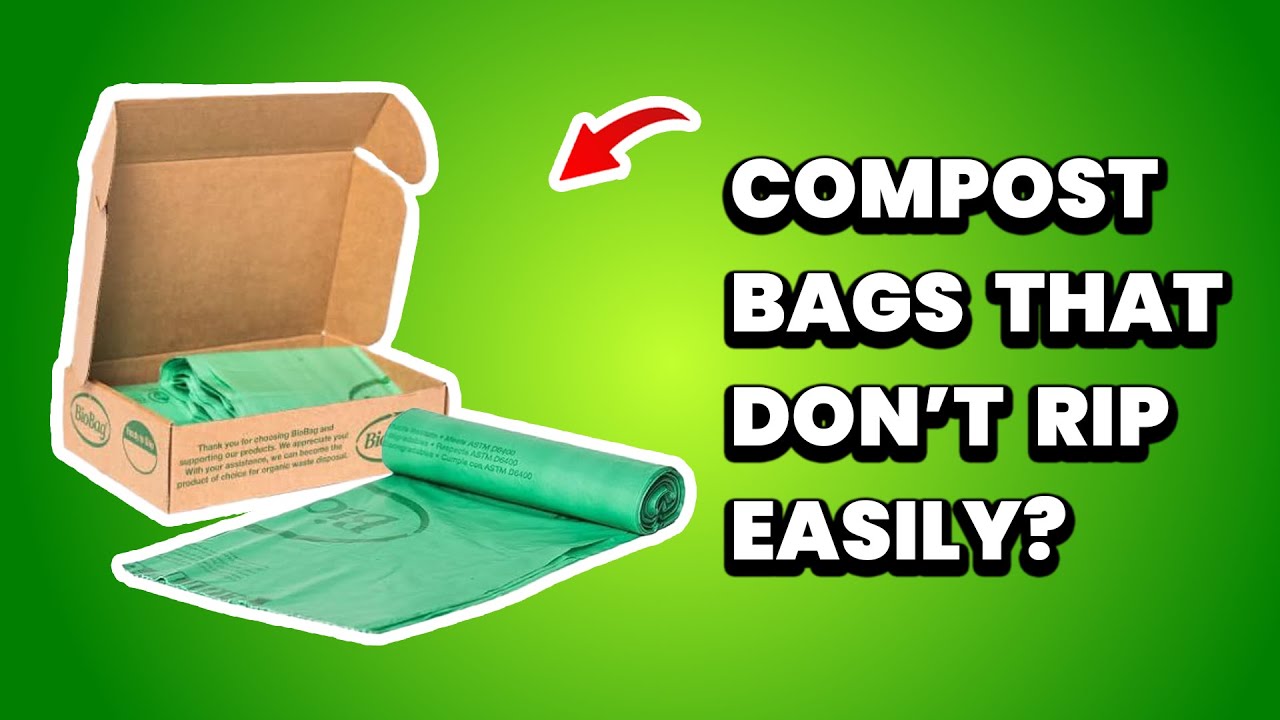

BioBag 3-Gallon Compostable Food Scrap Bags Review: Eco-Friendly but Durable Enough?
BioBag 3-Gallon Compostable Food Scrap Bags
Buy if you compost regularly and want certified compostable bags that keep your bin clean and odor-free. Skip if you deal with heavy wet scraps or need bags that last longer than a few days.
Buy on AmazonWhat We Liked
- Plant-Based Compostable Materials
- Durable Enough for Daily Use
- Certified Compostable and Non-GMO
- Spacious 3-Gallon Capacity
- Breathable and Odor-Reducing Design
What Could Be Better
- Moisture Weakens the Bottom
- Short Active Use Window
- Wet Scraps Can Cause Leaking
How we test: Every product is used in real conditions and evaluated using our standardized scoring criteria. Read our full review methodology.
Can a compostable bag hold up to daily kitchen scraps without falling apart? That’s the question I set out to answer with the BioBag 3-Gallon Compostable Food Scrap Bags.
BioBag makes these bags from plant starches, vegetable oils, and compostable polymers — a material called Mater-Bi. Unlike plastic bags that persist in landfills for centuries, these are designed to be consumed by microorganisms in soil. They’re BPI certified and meet the ASTM D6400 standard for compostability.
I’ve been using these bags daily in my kitchen compost bin to collect food waste and scraps. They fit neatly into a small countertop bin and make the composting process far less messy.
The short version? These bags deliver on their eco-friendly promise and hold up well for most composting needs. But moisture management is something you’ll need to stay on top of.
What I Liked
Plant-Based Compostable Materials
The standout feature of BioBag is what they’re made from. The bags use Mater-Bi, a bioplastic resin derived from corn starch, vegetable oils, and biodegradable polymers. This isn’t a marketing gimmick — unlike regular plastic bags, these materials can be broken down by microorganisms that live in soil.
The distinction matters. Many “biodegradable” bags on the market are oxo-degradable, meaning they fragment into microplastics rather than truly decomposing. BioBag products break down completely without leaving microplastics behind in both industrial and home composting environments. That same preference for plant-derived materials over synthetic ones shows up in cleaning products, where a concentrate like the Young Living Thieves Household Cleaner replaces a cabinet of conventional sprays.
Durable Enough for Daily Use
These bags are surprisingly sturdy for something designed to decompose. They can hold a substantial amount of food waste without ripping. I filled my compost bin with vegetable scraps, fruit peels, and coffee filters day after day, and the bags held firm.
Customer reviews back this up. Multiple users report the bags handle regular food waste collection without tearing, noting they’re reliable for weekly composting routines. The 0.64 mil thickness strikes a practical balance between durability and compostability. If your bin is smaller than 3 gallon, the GreFusion Compostable Bags 1.2 Gallon push that balance further with a thicker 0.72 mil film sized for countertop pails.
Certified Compostable and Non-GMO
BioBag doesn’t just make claims — they back them with certifications. These bags carry BPI certification, meet the ASTM D6400 standard, hold OK Compost HOME certification from TÜV Austria, and are Non-GMO Project Verified.
Good Housekeeping Institute recommends BioBag for home composting applications. Their Institute Director noted she uses these bags for composting even after trying more expensive alternatives. That kind of institutional endorsement carries weight. For a closer look at how these bags perform in everyday kitchen composting routines, see our BioBag compostable bags review. For the food that never becomes a scrap, sealed portion cups like the Lamosi 9 oz plastic cups with lids keep single servings leakproof in a lunch bag.
Spacious 3-Gallon Capacity
Don’t let the “small” label fool you. The 3-gallon capacity, with dimensions of 17 x 18 inches, fits most countertop compost bins and holds more food scraps than you’d expect. Even with a compact kitchen bin, I could fill it over several days before needing to swap bags.
Breathable and Odor-Reducing Design
BioBag bags breathe without leaking, allowing heat and moisture to escape or evaporate. This reduces bacterial build-up in collected food waste, which translates to less odor. For a product that sits on your kitchen counter holding decomposing food, that’s a meaningful benefit.
What Needs Improvement
Moisture Weakens the Bottom
The biggest drawback is how these bags handle wet food waste. The bottom can disintegrate if too much moisture accumulates, especially from items like watermelon rinds or leftover soup. I learned this the hard way when a bag gave out during a trip to the compost bin.
The fix is straightforward: place a paper towel at the bottom of your compost bin before lining it with the bag. This absorbs excess moisture and extends the bag’s usable life. It works, but it’s an extra step that traditional trash bags don’t require.
Short Active Use Window
BioBag recommends replacing bags every three to five days because they start to break down once exposed to the microorganisms found on food scraps. For households that generate compost slowly, this means potentially swapping bags before they’re full.
This is by design — the same properties that make these bags compostable also limit their active lifespan. It’s a trade-off that comes with the territory of plant-based materials, but it can feel wasteful if you’re composting smaller quantities.
Wet Scraps Can Cause Leaking
Liquids can seep through the bag material over time, which means you may still need to wash your compost pail regularly. Items with high moisture content like coffee grounds and tomatoes accelerate the breakdown process and can compromise the bag in hours rather than days.
Separating wet scraps from dry ones before bagging helps, but this level of waste management attention won’t appeal to everyone.
How It Compares
BioBag isn’t the only compostable bag on the market. Here’s how it stacks up against the main alternatives.
UNNI 100% Compostable Bags are often recognized as the best overall compostable trash bag option, with a wider range of sizes from 1.2 to 65 gallons. However, UNNI has documented quality control issues — some users report bags splitting open or bottom failures even when handled carefully. BioBag’s more consistent construction gives it an edge for reliability, though UNNI offers more flexibility if you need larger sizes.
Stout by Envision EcoSafe-6400 bags are more durable and break down faster (10-45 days), but they’re designed exclusively for commercial and industrial composting facilities. They won’t reliably decompose in a home compost pile. If you have access to municipal composting, Stout is worth considering. For home composting, BioBag is the better fit.
Ecolipak Compostable Bags win on raw durability. They’re praised as the strongest compostable option for tear and puncture resistance. The trade-off is a higher price that reflects the heavier-duty build. If bag breakage is your primary concern and budget is secondary, Ecolipak addresses that specific pain point.
For most home composting setups, BioBag hits the right balance of affordability, certifications, and everyday performance. The competition either costs more, targets commercial settings, or trades consistency for variety.
Final Verdict
The BioBag 3-Gallon Compostable Food Scrap Bags earn a 4.2 out of 5. They deliver on their core promise: a genuinely compostable bag made from renewable plant materials that holds up for everyday kitchen composting.
The certifications are legitimate, the materials are transparent, and the bags work well for standard food scrap collection. Where they fall short is moisture resistance — wet scraps remain the Achilles’ heel of plant-based bag technology, and BioBag is no exception.
If you compost regularly and manage moisture with a simple paper towel trick, these bags make the process cleaner and more convenient. They’re a solid choice for eco-conscious households that want to reduce their plastic footprint and do something better for the planet without sacrificing too much practicality.
Specifications
| Brand | BioBag |
| Material | Mater-Bi (plant starch, vegetable oil, compostable polymers) |
| Capacity | 3 Gallons |
| Item Dimensions | 17 x 18 inches |
| Thickness | 0.64 mil |
| Item Count | 100 |
| Certification | BPI Certified, ASTM D6400, OK Compost HOME (TÜV Austria), Non-GMO Project Verified |
| Country of Origin | USA (resin from Italy) |
| Color | Green (translucent mint) |
| ASIN | B009NMSPOE |
Frequently Asked Questions
Are BioBag compostable bags truly compostable?
Yes. BioBag bags carry BPI certification and meet the ASTM D6400 standard, which means they're verified to decompose into carbon dioxide, water, and biomass in composting environments. They also hold OK Compost HOME certification from TÜV Austria, confirming they break down in home compost piles — not just industrial composting facilities.
Do BioBag bags leave microplastics behind?
No. Unlike oxo-degradable bags that fragment into microplastics, BioBag products are made from Mater-Bi bioplastic that decomposes completely. The materials break down into organic matter without leaving toxic residue, which is why they're certified for use in organic agriculture under DEBIO standards.
How long do BioBag compostable bags last?
During active use with food scraps, BioBag recommends replacing bags every three to five days. For storage, keep unused bags in a cool, dry place where they have a shelf life of approximately one year. After that, the organic materials may start to degrade even without exposure to composting conditions.
Where are BioBag bags made?
BioBag bags are manufactured in the United States using Mater-Bi resin sourced from Italy. The company sources from Italy because there is no compostable resin supplier in the U.S. that can guarantee the material is GMO-free.
Can BioBag bags be used in a worm composting bin?
BioBag bags are designed for hot composting environments where bacterial heat accelerates decomposition. In worm composting bins, which operate at lower temperatures, the bags decompose much more slowly. One long-term test found a BioBag remained largely intact in a worm bin after three months.
Are BioBag compostable food scrap bags worth the price?
At around $0.20 per bag for the 100-count box, BioBag compost bags offer reasonable value. You can shop the 100-count box on Amazon, which includes free shipping for Prime members. They're more affordable than premium competitors like Ecolipak while carrying more certifications than many budget alternatives. The cost is justified if you're actively composting — less so if your waste ends up in a landfill where compostable bags provide no benefit to the planet.
Ready to Buy?
BioBag 3-Gallon Compostable Food Scrap Bags delivers on its promises. If it fits your needs, it's a solid choice you won't regret.
Check Price on Amazon Founder & Product Reviewer at TheReviewRewind
Daniel has tested 400+ products across 20+ categories through hands-on, real-world testing. Every review includes video documentation and standardized scoring criteria. His reviews appear as Amazon shoppable videos and here on TheReviewRewind.
We earn a commission if you make a purchase, at no extra cost to you. This does not influence our ratings or recommendations. Full disclosure
Looking for more options? See all our Health & Household reviews.
Related Reviews