Form Performance vs Garden of Life: Best Premium Vegan Protein Compared


Quick Decision
Pick the tradeoff that matters most.
Hands-on tested
Form Performance Vegan Protein
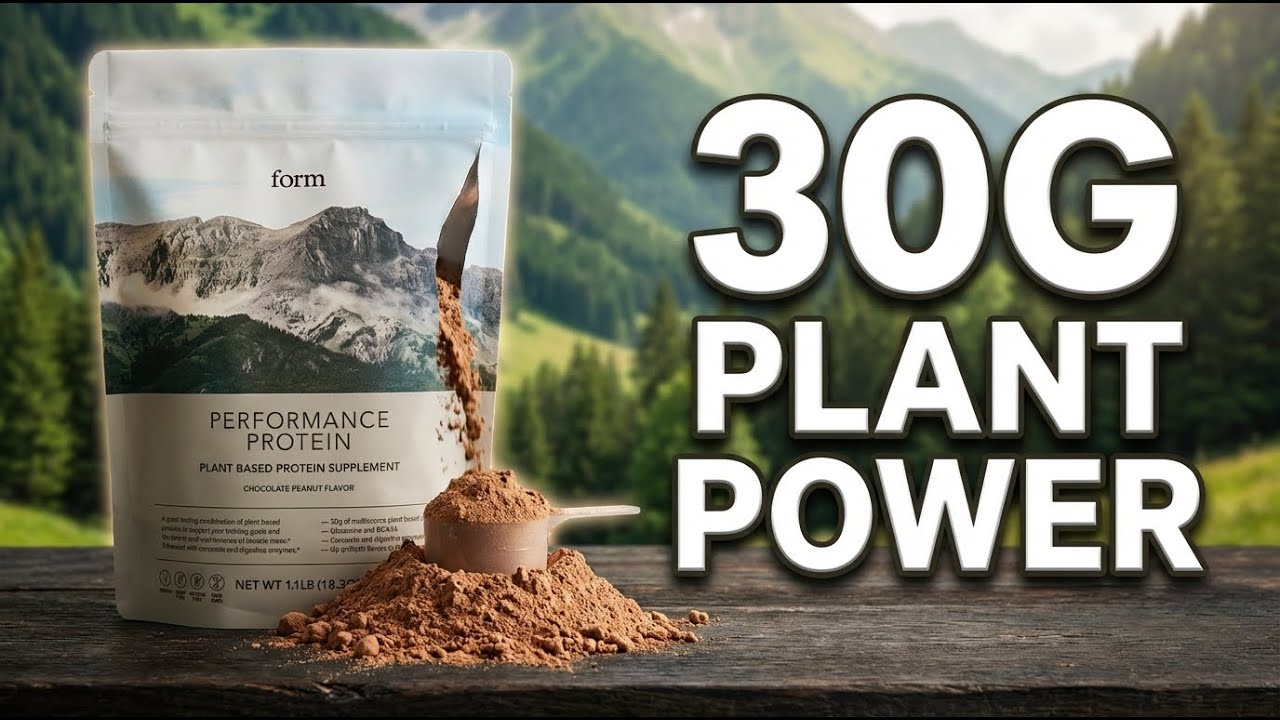
Pick Form Performance if you want a premium plant-based protein with 30 g per serving, added digestive enzymes, and Informed Sport certification for serious training.
Researched option
Garden of Life Raw Organic Protein - Vanilla
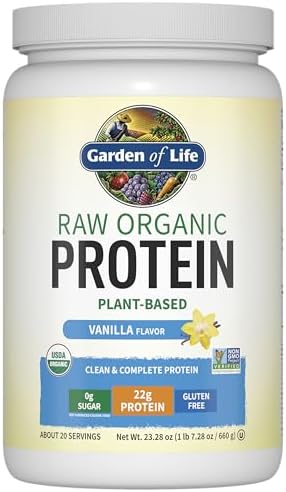
Pick Garden of Life if you prioritize certified organic, Non-GMO, multi-source plant protein with probiotics and a lower-calorie, sugar-free vanilla shake.
Hands-On Review Videos

Form Performance Vegan Protein Review: Award-Winning Plant Protein With 30g Per Serving
Form Performance Vegan Protein
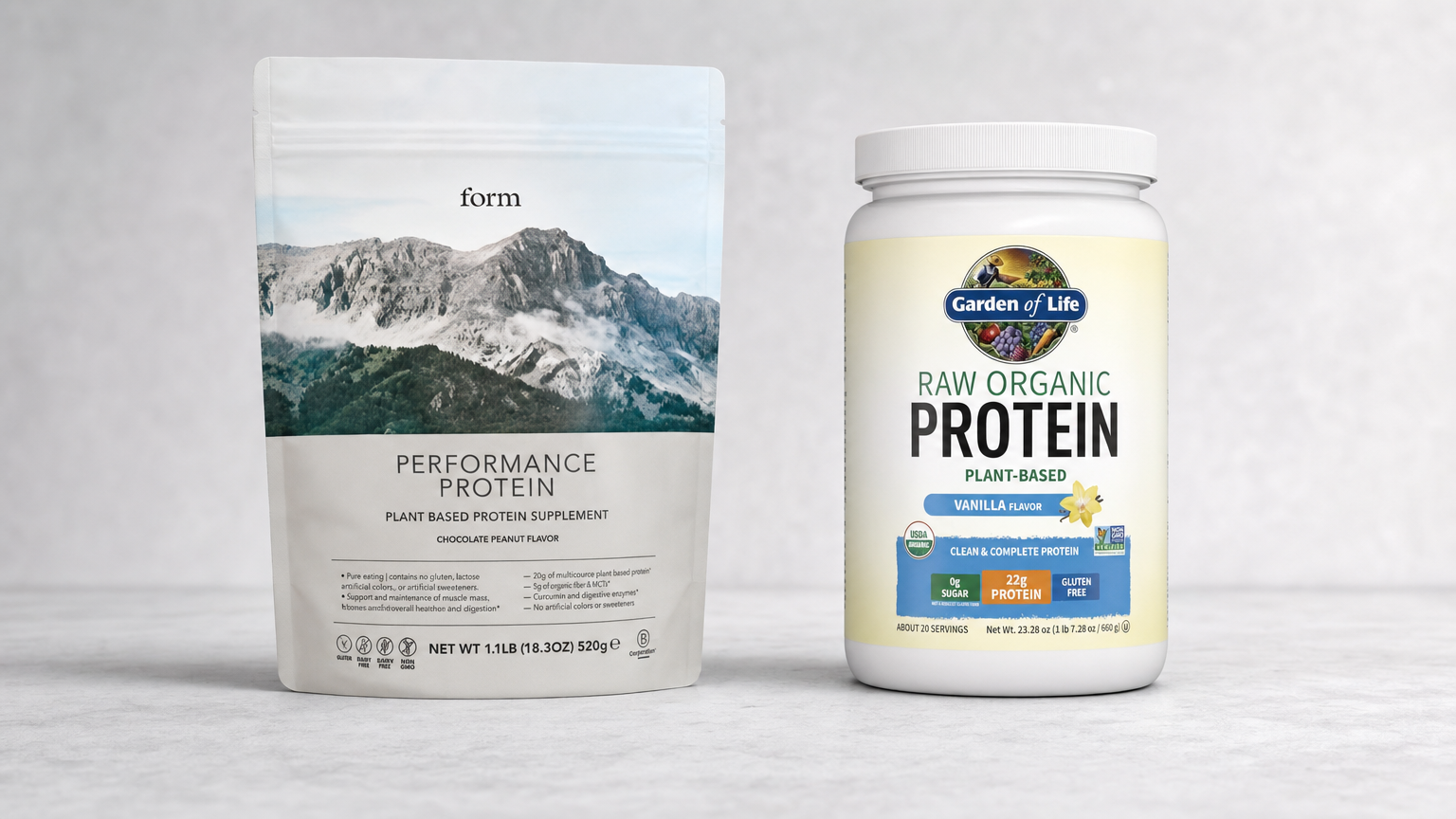
Your choice between Form Performance and Garden of Life Raw Organic Protein comes down to how much protein you want per scoop and how much you care about certifications and calorie counts. Both are vegan protein powders, but they are built for slightly different priorities.
Form Performance focuses on a higher-protein, performance-driven formula with 30 g per serving, while Garden of Life leans hard into organic certification, probiotics, and a lower-calorie shake. If you know whether you care more about raw protein per serving, clean-label certifications, or budget, the decision gets much easier.
At-a-Glance Comparison Table
Both of these plant-based protein powders can work in a vegan or plant-based diet, but they target different types of buyers. This quick table lays out the biggest tradeoffs so you can see which one matches your routine.
| Product | Best for | Primary use case | Key strengths | Ease of use | Fit/setup | Durability | Price/value | Main drawback |
|---|---|---|---|---|---|---|---|---|
| Form Performance Vegan Protein | Vegan and plant-based athletes who want 30 g protein per serving and performance-focused features. | High-protein post-workout shake or daily protein supplement for muscle-focused training. | 30 g complete plant protein, digestive enzymes, Informed Sport certified, clean label with no artificial ingredients. | Designed to mix well and focus on taste and mixability for shakes. | Suits most plant-based diets, free from gluten, dairy, lactose, and artificial ingredients, non-GMO. | Heavy metal tested and Informed Sport certified to help verify quality. | Premium price per serving with only 13 servings per 520 g bag. | High cost per serving, polarizing sweetness, relatively high sodium per serving. |
| Garden of Life Raw Organic Protein - Vanilla | Organic-focused buyers who want certified USDA organic, Non-GMO plant protein with probiotics and enzymes. | Lower-calorie, sugar-free daily shake or smoothie booster with 22 g complete protein. | Certified organic, Non-GMO Project Verified, multiple third-party certifications, 22 g complete protein from 13 sprouted sources, added vitamins, probiotics, and enzymes. | Marketed as silky smooth vanilla flavor that avoids a chalky texture and mixes well into smoothies. | Fits vegan, gluten-free, and plant-based diets, described as light on the stomach and gentle on digestion. | Third-party tested and certified for purity, safety, and potency. | Strong value if you prioritize organic certifications and extras like probiotics, though not the absolute cheapest option. | Lower protein per serving than Form, and some buyers may not want added probiotics or flavor if they prefer unflavored powder. |
Who Should Buy Each One?
The right vegan protein powder depends on whether you are chasing performance numbers or building an organic, certification-heavy supplement stack. Here is how we would match each option to different buyers.
Form Performance Vegan Protein
Form Performance is a better fit if you treat your protein powder as a core part of your sports nutrition plan rather than just an occasional smoothie add-in. It is aimed at vegan and plant-based athletes who want 30 g of protein in every post-workout shake and value performance features like digestive enzymes and sports testing.
Choose Form Performance if:
- You are a vegan or plant-based athlete who wants 30 g protein post-workout.
- You often get bloating from other protein powders and want digestive enzymes that are designed to help.
- You compete in tested sports and need Informed Sport certified supplements.
- You prioritize a clean label with no artificial ingredients, gluten, dairy, or lactose.
- You care about sustainability touches like compostable packaging and supporting a B Corp brand.
You should skip Form Performance if cost and volume matter more than certifications and extra protein. It is not ideal for budget-conscious buyers, people who prefer unflavored powder for cooking, or anyone who wants 30 or more servings in a single bag.
Garden of Life Raw Organic Protein - Vanilla
Garden of Life Raw Organic Protein makes more sense if you are building an organic, plant-based diet around USDA Organic and Non-GMO certifications. It is a good match if you want 22 g of complete plant-based protein per serving along with probiotics, enzymes, and vitamins in a lower-calorie, sugar-free shake.
Consider Garden of Life if:
- You care most about USDA Organic, Non-GMO Project Verified, vegan, gluten-free, and Kosher certifications.
- You want a sugar-free vanilla protein powder with about 22 g of complete protein, fiber, and BCAAs per 130-calorie serving.
- You like the idea of added fat-soluble vitamins, probiotics, and enzymes in your protein shake.
- You prefer a silky smooth vanilla flavor that is marketed to avoid a chalky texture and mix well into smoothies.
- You want something many users describe as light on the stomach and gentle on digestion.
Garden of Life is less appealing if you want the absolute highest protein per serving or if you prefer unflavored powder without added probiotics or vitamins. Some buyers may also not need the long list of certifications and extras, which can add to cost compared with basic protein powders.
Key Differences That Matter
With two quality vegan protein powders, the decision comes down to the specifics of protein content, certifications, calories, and value. These are the practical differences that will actually change how the powder fits into your diet.
Protein per serving and macros
Form Performance delivers 30 g of plant-based protein per serving from pea, brown rice, and pumpkin seed, which is notably higher than many organic vegan protein powders. Garden of Life provides 22 g of complete plant-based protein per serving at about 110–130 calories, with 2.5 g fat, 0 g sugar, and around 1 g fiber.
If you are using protein powder specifically for muscle-focused workouts, that extra 8 g of protein in Form Performance can matter, especially if you only drink one shake a day. Garden of Life strikes more of a middle ground between protein content and a lower-calorie, sugar-free profile that fits into a broader plant-based diet.
Certifications, ingredients, and “clean” label
Both products speak to a clean-label, plant-based diet, but they lean on different credentials. Garden of Life comes with a heavy slate of third-party certifications, including USDA Organic, Non-GMO Project Verified, NSF Certified Gluten-Free, Certified Vegan, and Kosher.
Its protein blend uses 13 raw sprouted plant proteins, and the formula includes added fat-soluble vitamins, probiotics, and enzymes with ingredients described as fully organic. Form Performance instead emphasizes a clean label with no artificial ingredients, plus a fully vegan brand identity and Informed Sport certification with heavy metal testing for sports safety.
Digestibility and enzymes
Form Performance is built with digestive enzymes that are meant to help people who get bloating from other protein powders. Garden of Life also includes probiotics and enzymes and is often described as light on the stomach and gentle on digestion.
That means both products take digestion seriously, but they frame it differently. Form pairs enzymes with a relatively dense 30 g protein serving, while Garden of Life mixes a more moderate 22 g serving with a broader probiotic and enzyme blend.
Taste, texture, and mixability
Form Performance highlights taste and mixability as key pillars, positioning itself as a protein powder that actually tastes good in basic shakes. Garden of Life is marketed as silky smooth and vanilla-flavored, specifically aiming to avoid the chalky texture that often turns buyers off vegan protein.
Sweetness level is the main taste divider. Form Performance has sweetness that can feel polarizing, whereas Garden of Life leans more into a smooth vanilla taste meant to disappear into smoothies and plant-based milk.
Price, servings, and value
Where Form Performance clearly trails is cost per serving. A 520 g bag only contains 13 servings and is priced as a premium performance protein, which quickly adds up for high-volume users who drink multiple shakes per day.
Garden of Life Raw Organic Protein is not the cheapest vegan protein powder on the market, but its combination of certifications and moderate macros tends to land as a stronger value for organic-focused buyers. If you are on a strict budget or want 30 or more servings per container, Form Performance is a tougher sell compared with larger tubs of Garden of Life or other organic protein powder alternatives.
Brand and ethics
Form Nutrition is a fully vegan nutrition brand offering protein powders, meal replacements, and nootropics, with an emphasis on plant-based performance and sustainability. Its compostable packaging and B Corp positioning appeal strongly to sustainability-conscious buyers who want their protein supplement to align with a plant-based lifestyle.
Garden of Life positions its Raw Organic Protein line as clean nutrition built on transparency and integrity, backed by multiple third-party certifications and detailed ingredient lists. If your top priority is buying from a brand that leans into organic and non-GMO standards with heavy emphasis on the United States Department of Agriculture organic seal and The Non-GMO Project, Garden of Life fits that profile clearly.
Product Deep Dives
Once you understand the big differences, it helps to look at each powder on its own terms. These mini-reviews focus on how each product actually fits into day-to-day use.
Form Performance Vegan Protein
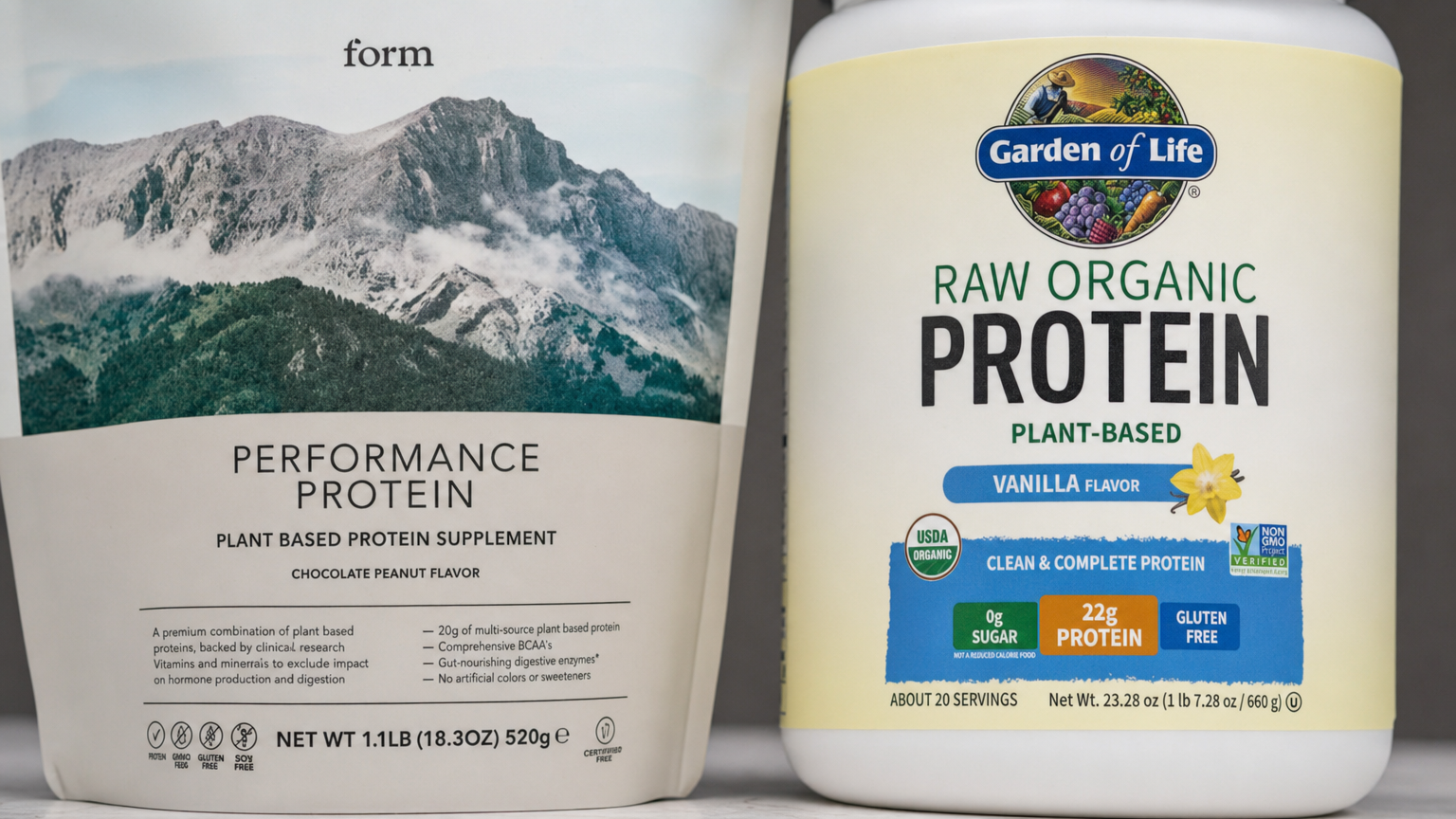
In our hands-on testing, Form Performance stood out as a performance protein first and a general meal replacement second. It is built as a high-protein, plant-based powder with 30 g complete protein per serving drawn from pea, brown rice, and pumpkin seed, and the macros are tightly controlled with about 150 calories, 3 g fat, and 2 g carbs per scoop.
We found that framing works well if your priority is muscle recovery or strength work where hitting protein targets really matters. It is positioned as a nutrient-dense post-workout option for muscle building, not just an occasional smoothie booster.
Taste, mixability, and sweetness
Taste and mixability are big selling points for Form Performance. In our review, we called out taste and mixability specifically, and the powder is designed to shake up smoothly in water or plant milk without the gritty or floury textures that can plague pea protein powders.
The sweetness, however, is polarizing. Some buyers will love a sweeter, milkshake-style vegan protein, but others find the sweetness level too high, which is important to know if you dislike stevia-forward or strongly flavored protein shakes.
Digestive enzymes and digestion
One of the reasons we rate Form Performance well for everyday use is the digestive enzyme blend. The formula is aimed at people who experience bloating from other protein powders, and in our experience the “Digestive Enzymes That Actually Work” positioning is meaningful for buyers who have bounced off other supplements in the past.
Combined with a clean, non-GMO formulation that is free from gluten, dairy, lactose, and artificial ingredients, this makes Form Performance a friendly option for people managing common protein powder discomforts. It fits smoothly into a vegan or gluten-free diet without the extra label checking that comes with some whey protein powders.
Testing, safety, and certifications
Form Performance is Informed Sport certified and heavy metal tested, which is a major differentiator for competitive athletes. Informed Sport certification means each batch is tested for banned substances, which is critical if you are subject to drug testing in sport.
That level of testing, coupled with a clean label and a strong editor rating for the Form Nutrition brand, gives us confidence recommending it as a core sports nutrition supplement. For buyers who would otherwise gravitate to whey performance protein powders but need a vegan option, this is one of the few plant-based proteins that competes on those terms.
Downsides: price, servings, sodium
The biggest downside with Form Performance is the price per serving. A 520 g bag only yields 13 servings, and the listed price makes each shake significantly more expensive than many garden-variety plant-based protein powders or basic organic vegan proteins.
Sodium content is also notable at 390 mg per serving, which is worth watching if you already have a high-salt diet or are trying to limit sodium intake. High-volume users who drink two or more shakes daily will feel both the cost and sodium load more than casual users.
Garden of Life Raw Organic Protein - Vanilla
Garden of Life takes a different path, centering on organic certification and a broad, raw sprouted protein blend rather than maximum protein per scoop. Each serving provides 22 g of complete plant-based protein from 13 raw sprouted protein sources, about 110–130 calories, and around 2.5 g fat with 0 g sugar and 1 g fiber.
This makes it a good fit for people who see their protein shake as part of overall nutrition rather than purely a muscle-building tool. You still get a meaningful dose of protein and BCAAs, but within a lower-calorie, sugar-free profile that slots neatly into smoothies and meals throughout the day.
Certifications and ingredients
One of Garden of Life’s biggest strengths is its stack of certifications. Raw Organic Protein carries USDA Organic and Non-GMO Project Verified labels alongside NSF Certified Gluten-Free, Certified Vegan, and Kosher certifications, and it is third-party tested for purity, safety, and potency.
The protein and flavor blends are described as using fully organic ingredients, and the product is marketed as clean nutrition built on transparency and integrity. If you are shopping for organic ingredients, plant-based protein, and non-GMO assurances from the ground up, this formula checks those boxes in a way that many basic protein powders do not.
Probiotics, enzymes, and vitamins
Garden of Life folds fat-soluble vitamins, probiotics, and enzymes into the blend. The company positions this as a way to support digestion and overall nutrition while you are using the powder as a dietary supplement.
Some buyers will appreciate getting probiotics and enzymes in the same scoop as their plant-based protein, though others may prefer a simpler ingredient list if they already take standalone probiotic supplements. It is worth checking the full ingredient deck if you care about exactly which strains and vitamins are included.
Taste, texture, and how it mixes
The vanilla flavor is marketed as silky smooth and designed to avoid the chalky texture often associated with vegan protein powders. Reviews suggest it mixes well into smoothies and plant milks, making it easy to fold into breakfast shakes or post-workout drinks without dominating the overall flavor.
If you want an unflavored protein powder for cooking or baking, this vanilla version is not ideal. Garden of Life does offer unflavored, stevia-free variants, but for this comparison we are specifically looking at the vanilla flavor, which is built to taste like a more traditional protein shake.
How it feels to drink
Reviewers frequently describe Garden of Life Raw Organic Protein as light on the stomach and gentle on digestion. Combined with the probiotics and enzymes, that makes it appealing if you have struggled with heavy or gritty shakes in the past.
Because it has 22 g of protein rather than 30 g, each serving will be slightly less dense than a heavy performance protein. That can be an advantage if you want to drink multiple shakes per day or pair the powder with larger meals without feeling weighed down.
What Buyers Should Know Before Choosing
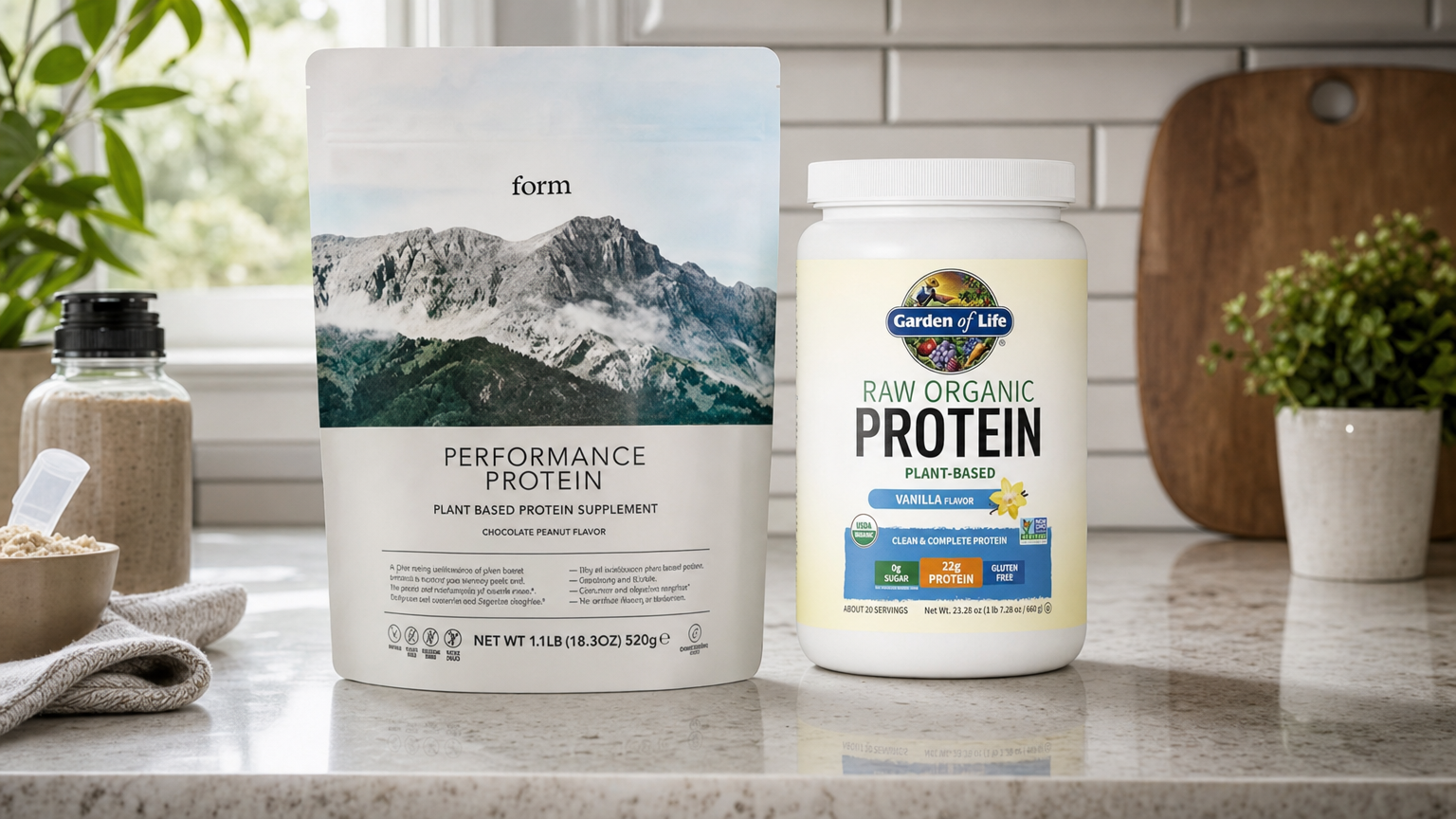
Beyond specs and certifications, real-world use comes down to how these powders feel in daily routines. A few patterns stand out when we look at how people actually use and respond to each product.
Form Performance tends to appeal strongly to buyers who want a serious performance protein, especially vegan athletes focused on 30 g of protein per serving and sports testing. Those buyers often value the digestive enzymes, clean ingredient list, and Informed Sport certification enough to accept the higher price per serving.
Price and polarizing sweetness are the main friction points for Form Performance. Budget-conscious buyers and people drinking multiple shakes a day often feel the cost per serving and limited 13-serving bags, and some would prefer an unflavored or less sweet option for cooking and more flexible use.
For Garden of Life, patterns cluster around trust in certifications and digestibility. Many buyers choose it because of the USDA Organic, Non-GMO Project Verified, vegan, and gluten-free labels, along with the idea of clean, transparent nutrition that is third-party tested for purity, safety, and potency.
Users often describe the powder as smooth, easy to mix, and light on the stomach, with the vanilla flavor working well in smoothies without being chalky. Buyers who want a multi-purpose raw organic protein for a plant-based diet tend to be happy with the balance of 22 g protein, low calories, and sugar-free formulation.
The main tradeoff is that if you specifically need higher protein per serving, Garden of Life will not hit the same numbers as Form Performance. Some people also prefer simpler formulas without added probiotics and vitamins, especially if they already use separate dietary supplements.
If you want even more detail on how Form Performance fits into real-world routines, our dedicated Form Performance Vegan Protein review walks through taste, digestion, and long-term use in depth. It can help you sanity-check whether the higher price aligns with your goals.
Final Check
Check current Amazon pricing
Open the Amazon listings, compare the current price, and choose the option that matches your use case, budget, and meeting workflow.
Form Performance Vegan Protein
- 30 g plant protein per serving for athletes
- Informed Sport certified with digestive enzymes
- Clean vegan formula but premium price
 Check on Amazon
Garden of Life Raw Organic Protein - Vanilla
- USDA Organic and Non-GMO certified protein
- 22 g complete protein with probiotics and enzymes
- Sugar free vanilla, smooth and light texture
Check on Amazon
Frequently Asked Questions
Is Garden of Life organic protein a good choice?
Garden of Life can be a strong choice if you want an organic vegan protein powder with multiple third-party certifications and a moderate 22 g of complete plant protein per serving. It offers a sugar-free, lower-calorie profile with added probiotics, enzymes, and vitamins, which makes it appealing for everyday smoothies and plant-based meals rather than only heavy post-workout shakes.
Is Garden of Life organic protein powder good?
Garden of Life Raw Organic Protein is built as a high-quality organic protein powder, with 22 g complete plant-based protein, very low sugar, and several third-party certifications for organic, non-GMO, vegan, and gluten-free standards. It is also described as silky smooth, vanilla-flavored, and light on the stomach, which helps if you dislike chalky or heavy plant-based protein powders.
Is Garden of Life supplements legit?
Garden of Life positions its Raw Organic Protein line as clean nutrition built on transparency and integrity, and it backs that up with USDA Organic, Non-GMO Project Verified, Certified Vegan, NSF Certified Gluten-Free, and Kosher certifications. The powders are described as third-party tested and certified for purity, safety, and potency, which are signals that the brand invests in quality and verification.
Why does Garden of Life have a prop 65 warning?
We do not have product-specific evidence in this packet explaining Prop 65 warnings for Garden of Life protein powders. In general, Prop 65 warnings relate to California regulations around certain chemicals and heavy metals, so if you have questions about a specific label you should review Garden of Life’s official safety information or speak with a healthcare professional.
Is Garden of Life organic protein a good protein?
Garden of Life Raw Organic Protein is a good option if you prioritize organic ingredients, non-GMO certification, and a blend of plant-based protein sources with all essential amino acids. Its 22 g of protein, 0 g sugar, and modest calories per serving make it a solid everyday protein supplement for a plant-based diet.
Is form performance protein good?
Form Performance is a very strong choice if you want a premium performance-focused vegan protein powder with 30 g of plant-based protein per serving, digestive enzymes, and Informed Sport certification. It does cost more per serving than many competitors and the sweetness is polarizing, but if you value high protein, clean ingredients, and sports testing, it earns its place in a serious training stack.
What is the best rated vanilla protein powder?
"Best rated" vanilla protein powder will vary depending on the source and whether you prioritize whey, vegan, organic, or budget formulas. Within this comparison, Form Performance and Garden of Life both stand out as well-regarded vanilla plant-based options, but you will want to compare them against other vanilla protein powders based on your own protein needs, dietary preferences, and budget.
What is the best vanilla protein powder on the market?
There is no single best vanilla protein powder for everyone, because needs differ between high-protein performance use, organic certification, budget, and taste preferences. If you are specifically looking at vegan options, Form Performance is better when you want 30 g protein and sports testing, while Garden of Life is stronger if you care most about USDA Organic certification, probiotics, and a sugar-free, lower-calorie shake.
Sources Used
- Form Performance Vegan Protein Review: Award-Winning Plant Protein With 30g Per Serving – The Review Rewind - The Review Rewind
- Form Performance Vegan Protein – Form Nutrition - manufacturer or official
- Raw Organic Protein - Vanilla – Garden of Life Canada - manufacturer or official
Founder & Product Reviewer at TheReviewRewind
Daniel has tested 400+ products across 20+ categories through hands-on, real-world testing. Every review includes video documentation and standardized scoring criteria. His reviews appear as Amazon shoppable videos and here on TheReviewRewind.
We earn a commission if you make a purchase, at no extra cost to you. This does not influence our ratings or recommendations. Full disclosure
Related Reviews