Hot Tub Spa Salt Review: 14 Days of Testing in a Real Saltwater Spa


Hot Tub Spa Salt Review: 14 Days of Testing in a Real Saltwater Spa
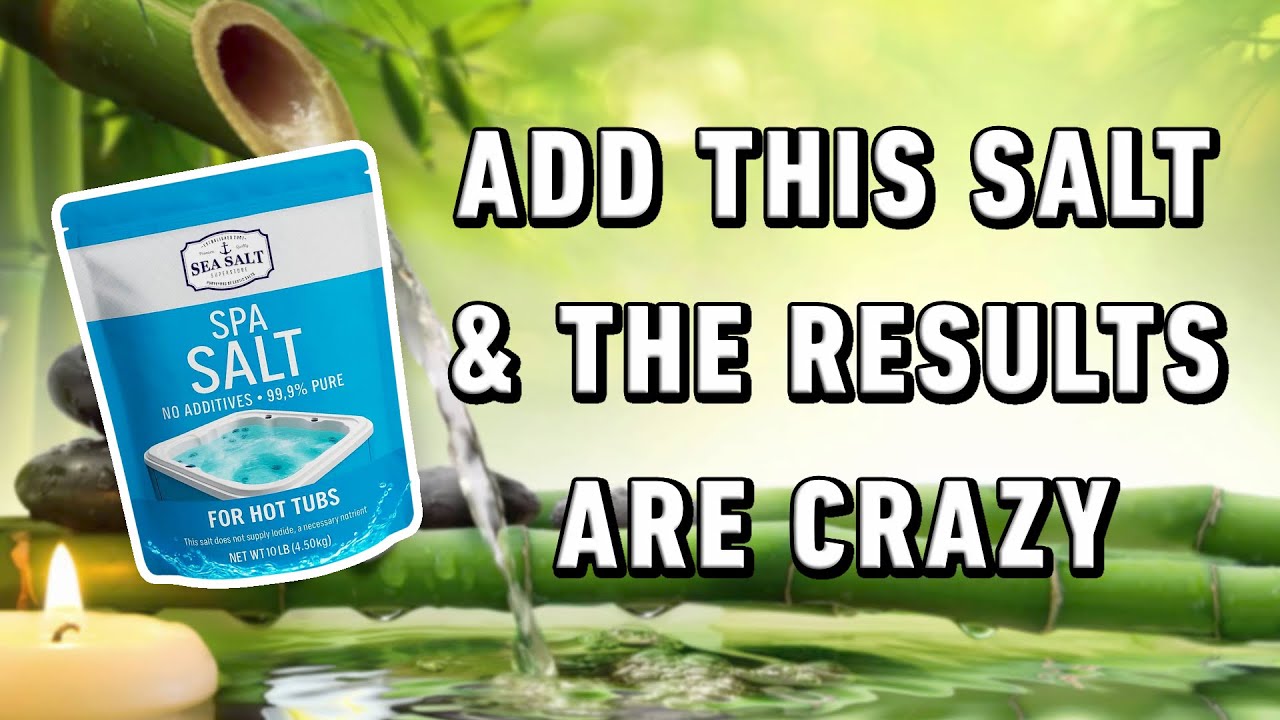
Hot Tub Spa Salt
Buy if you want ultra-pure, fast-dissolving salt that keeps your spa water clear and your salt cell clean. Skip if you are looking for the cheapest bulk option or do not have a salt water system.
Buy on AmazonWhat We Liked
- 99.9% Pure With No Additives
- Ultra-Fine Granules That Dissolve Fast
- Works With Every Salt System I Tested
- Keeps Salt Cell and Equipment Clean
- Clearer, Softer Water From Day One
What Could Be Better
- You Still Need to Manage Water Chemistry
- Higher Price Than Bulk Pool Salt
- Smaller Bags May Not Last Long
How we test: Every product is used in real conditions and evaluated using our standardized scoring criteria. Read our full review methodology.
If your saltwater hot tub water keeps turning cloudy no matter how much chlorine you add, the problem might be the salt itself. I tested Hot Tub Spa Salt by Sea Salt Superstore for 14 days in my salt water hot tub to see if switching to a purer salt would make a difference.
This 99.9% pure sea salt is designed for salt systems and chlorine generators, with ultra-fine granules that dissolve in minutes. After two weeks of daily testing, I can confirm it delivered clearer water, zero filter residue, and no new scale on my equipment. Here is what worked, what fell short, and whether this spa salt is worth the price over cheaper pool salt alternatives.
What I Liked
99.9% Pure With No Additives
Hot Tub Spa Salt uses sodium chloride at 99.9% purity with zero additives or anti-caking agents. That matters because impurities in cheaper salts can coat your titanium salt cell plates, reducing their ability to generate chlorine through electrolysis. The only ingredient listed is sea salt, which means nothing extra ends up in your hot tub water.
Ultra-Fine Granules That Dissolve Fast
The grain size on this salt is closer to table salt than the coarse crystals you get from bulk pool salt bags. I poured a scoop into my running spa and it disappeared within minutes, leaving no cloudiness or sediment. That fast dissolve means you do not have to wait around for the salt to break down before the water feel returns to normal.
Works With Every Salt System I Tested
Sea Salt Superstore lists compatibility with Hot Spring FreshWater Salt System, Jacuzzi, Caldera, ACE Salt Water System, and standalone chlorine generators. I ran it in my salt water system and the saltwater system registered proper salinity levels within 30 minutes of adding the salt. If you own a saltwater hot tub from any major brand, this salt should work without issues.
Keeps Salt Cell and Equipment Clean
After 14 days of use, I checked my salt cell, filter basket, and jet openings. There was no new scale on metal parts, no residue buildup in the filter, and no crystal deposits around the jets. Clean equipment means better sanitation and longer intervals between deep cleaning your hot tub.
Clearer, Softer Water From Day One
The water clarity improved within 24 hours of adding Hot Tub Spa Salt. My spa water went from slightly hazy to consistently clear, and the water felt noticeably softer on my skin. Multiple hot tub owners report reduced irritation compared to traditional chlorine treatment, and I experienced the same gentler feel during my testing period.
What Needs Improvement
You Still Need to Manage Water Chemistry
Switching to a saltwater system does not eliminate the need for water chemistry testing. You still need to check pH, alkalinity, and hardness levels at least once a week. The salt system automates chlorine generation, but keeping the water balanced is still your responsibility, which may disappoint anyone expecting a hands-free hot tub maintenance experience.
Higher Price Than Bulk Pool Salt
At roughly $4 per pound, Hot Tub Spa Salt costs two to three times more than bulk pool and spa salt options like AQUASALT, which runs around $1 to $2 per pound in 40-pound bags. For a spa that needs 5 to 10 pounds per treatment, the cost difference adds up over a year of water changes. The trade-off is purity and grain size, but budget-conscious owners should factor in the ongoing expense.
Smaller Bags May Not Last Long
The 5 and 10 pound bag sizes are convenient for storage, but larger hot tubs may need multiple bags per fill. If you drain and refill your spa every three to four months and your tub holds 400 or more gallons, you could go through a bag each time. A bulk size option from Sea Salt Superstore would make this salt for hot tub owners more practical for frequent water changes.
How It Compares
vs AQUASALT Pool Salt
AQUASALT is the most popular pool salt on the market, offering certified USP-grade purity in 40-pound bags at around $1 to $2 per pound. Both dissolve well in warm water, but AQUASALT uses a coarser grain designed for swimming pool volumes. Hot Tub Spa Salt’s ultra-fine grain dissolves faster in the smaller water volume of a spa, reducing the chance of undissolved particles reaching your filter or chlorine generator.
vs Morton Pool Salt
Morton Pool Salt comes from a well-known brand and offers clean, additive-free sodium chloride with reliable dissolution. Morton’s price sits between bulk pool salt and spa-specific salt, and their Pro Pool Salt line offers a finer grain. Hot Tub Spa Salt edges ahead on grain fineness and its resealable waterproof pouch, while Morton wins on brand recognition and availability at local retailers.
vs Hot Spring FreshWater Salt
Hot Spring’s official FreshWater Spa Salt is the branded salt made specifically for their saltwater spa systems. At around $27 to $40 for 10 pounds, it is the most expensive option. Hot Tub Spa Salt matches it on purity and grain size at a lower price point, and it works with FreshWater, ACE, and other modern saltwater systems. If your Hot Spring warranty does not require branded salt, Hot Tub Spa Salt delivers comparable results for less.
Final Verdict
Hot Tub Spa Salt by Sea Salt Superstore is a high-purity, fast-dissolving salt that does what it promises. I give it a 4.6 out of 5.
The 99.9% purity and ultra-fine grain structure set it apart from generic pool salt options. My salt water hot tub produced consistently clear water throughout 14 days of testing, with no residue, no scale, and no clogged filters. The only drawbacks are the higher per-pound cost compared to bulk alternatives and the fact that you still need to manage your hot tub’s water chemistry manually.
If you run a saltwater spa and want to protect your salt cell and equipment while getting softer, cleaner water, Hot Tub Spa Salt is a strong pick.
Specifications
| Brand | Sea Salt Superstore |
| Item Weight | 10 Pounds |
| Item Form | Granules |
| Recommended Uses For Product | Hot Tub, Spa, Pool |
| Product Benefits | Limescale Prevention, Water Clarity, Equipment Protection |
| Material | Sea Salt |
| Purity | 99.9% |
| Compatible Systems | Ace, Hot Spring, Jacuzzi, Caldera, Freshwater, Chloromatic |
| Capacity Coverage | 500 Gallons |
| Ingredients | Sea Salt |
Frequently Asked Questions
What is the best salt for a hot tub?
The best salt for a hot tub is one with 99.9% purity, no additives, and a fine grain that dissolves quickly. Hot Tub Spa Salt by Sea Salt Superstore meets all three criteria and works with major saltwater spa systems including Hot Spring FreshWater, ACE, and Jacuzzi. Purity matters because impurities can damage your salt cell and leave residue in your filter.
What are the pros and cons of a salt water hot tub?
Salt water hot tubs produce chlorine automatically through a salt cell and chlorine generator, which means softer water, less skin irritation, and fewer harsh chemical odors. The downsides include higher upfront cost for the salt system, the need for regular water chemistry testing for pH and alkalinity, and salt cell replacement every three to seven years. The ongoing spa experience tends to be more comfortable than traditional chlorine or bromine treatment.
Is there a difference between pool salt and hot tub salt?
Pool salt and hot tub salt are both sodium chloride, but hot tub salt like Hot Tub Spa Salt uses a much finer grain for faster dissolution in smaller water volumes. Pool salt often comes in coarse crystals that take longer to dissolve and can leave sediment in a spa's smaller plumbing and filtration system. Using coarse pool salt in a hot tub may clog filters and leave residue that does not occur with spa-specific salt.
Is spa salt different than regular salt?
Spa salt is different from regular table salt or cooking salt because it contains no iodine, no anti-caking agents, and no flow additives. These additives in regular salt can foam in hot tub water, damage the titanium plates in your salt cell, and throw off water chemistry readings. Hot tub spa salt maintains the high purity and clean formulation that salt water systems need to sanitize effectively.
Why does hot tub spa salt matter for equipment longevity?
The purity of your salt directly affects how long your salt cell, heater, and other metal components last. Impure salt creates calcium buildup on the salt cell plates, reducing their efficiency and shortening replacement intervals from a potential seven years down to three or fewer. Using 99.9% pure salt with no additives minimizes hardness-related scale and keeps your saltwater system running at full capacity.
Ready to Buy?
Hot Tub Spa Salt delivers on its promises. If it fits your needs, it's a solid choice you won't regret.
Check Price on Amazon Founder & Product Reviewer at TheReviewRewind
Daniel has tested 400+ products across 20+ categories through hands-on, real-world testing. Every review includes video documentation and standardized scoring criteria. His reviews appear as Amazon shoppable videos and here on TheReviewRewind.
We earn a commission if you make a purchase, at no extra cost to you. This does not influence our ratings or recommendations. Full disclosure
Looking for more options? See all our Patio, Lawn & Garden reviews.
Related Reviews