Kineon Move+ Pro Red Light Therapy Wrap Review: Does Targeted Laser Therapy Actually Work?


Kineon Move+ Pro Red Light Therapy Wrap Review: Does Targeted Laser Therapy Actually Work?
Kineon Move+ Pro Red Light Therapy Wrap
Buy if you have a specific nagging joint — knee, elbow, or shoulder — and want portable, hands-free laser-and-LED therapy you'll actually use every day. Skip if you need full-body coverage, want back treatment without buying the extra strap, or balk at the $499 price.
Buy on AmazonWhat We Liked
- Laser and LED Combo Reaches Deeper Into the Joint
- Genuinely Portable, Hands-Free Daily Therapy
- Simple One-Button Operation With Timed Sessions
- Noticeable Joint Pain Relief With Daily Use
- Solidly Built Modules and Convenient Charging Dock
- One Versatile Device for Knee, Elbow, and Shoulder
What Could Be Better
- The Strap and Plastic Clip Are the Weak Point
- You Pay Extra for the Back Extender Strap
- Modules Charge Only Through the Dock, Not Directly
- It Is Expensive and Treats One Spot at a Time
- Returns and Customer Support Can Be a Hassle
How we test: Every product is used in real conditions and evaluated using our standardized scoring criteria. Read our full review methodology.
If you have aching joints, a bad knee, or a shoulder that complains every morning, you have probably looked at red light therapy, then looked at the price and size of those giant panels and walked away. The Kineon Move+ Pro takes a different route: it wraps the light directly around the sore spot.
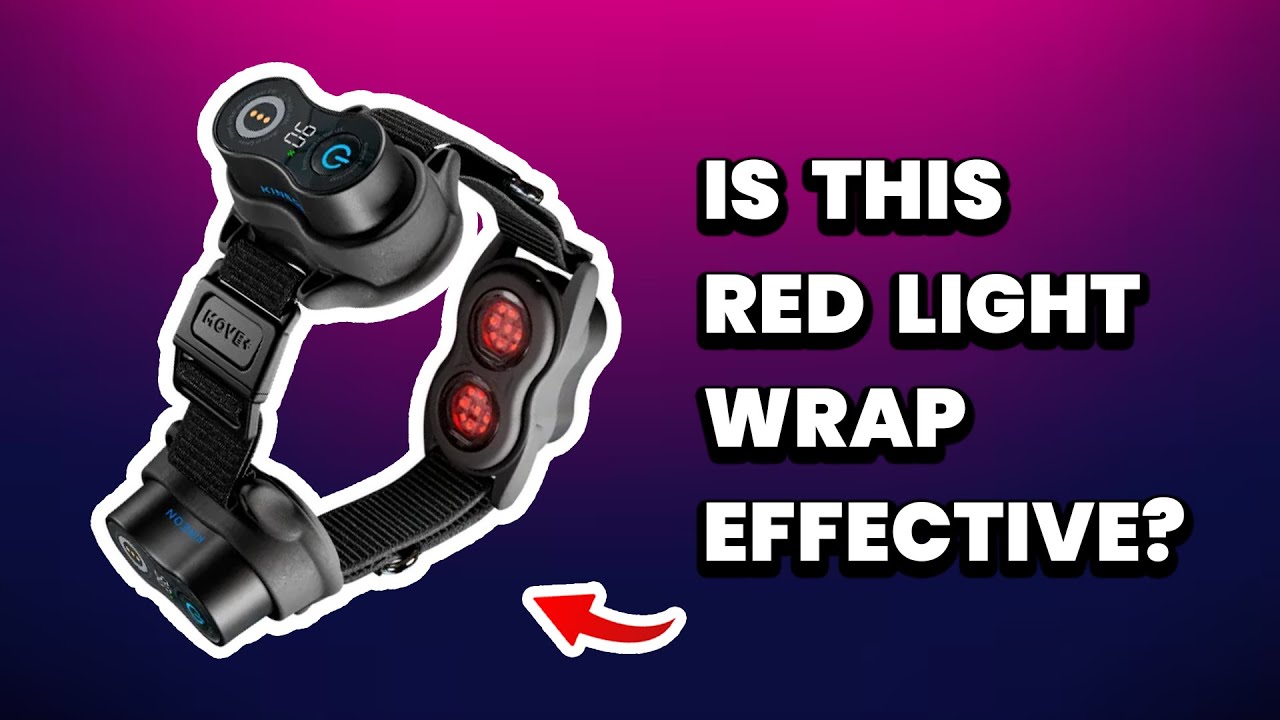
The Kineon Move+ Pro Red Light Therapy Wrap is a wearable light therapy device that combines 660nm red light LEDs with 808nm near-infrared laser diodes across three small modules on an adjustable strap. Instead of sitting in front of a panel, you strap the modules around a knee, elbow, shoulder, or wrist and run a 5, 10, or 15 minute session hands-free.
I used it daily on my knee and elbow for several weeks, the way the gym side of my life actually demands. The short version: for chronic joint pain it earns its keep as targeted pain relief, and the laser-and-LED combo does something a flat panel cannot. But the strap, the price, and a few design choices keep it from being a slam dunk.
What I Liked
After weeks of daily sessions, a handful of things stood out — and most of them come down to the device fitting into real life rather than demanding you rearrange your day around it.
Laser and LED Combo Reaches Deeper Into the Joint
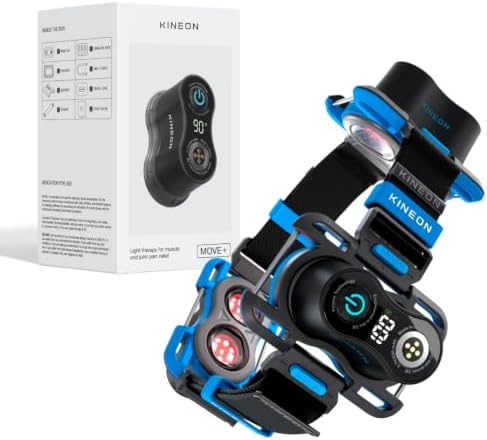
Most red light devices use light-emitting diodes (LEDs) only, which work mainly near the surface. Each Move+ Pro module pairs 660nm deep red LEDs with 808nm near-infrared laser diodes, and that laser is the point.
The near-infrared lasers are designed to drive light roughly 5 to 6 cm down, into the joint and deeper tissue rather than just the skin. If your problem is a knee, an elbow, or a shoulder joint, that depth is what you want. These are Class 1 laser diodes, so this is safe low-level laser therapy, not a high-powered medical laser.
The mechanism is photobiomodulation: these wavelengths of red and near-infrared light are absorbed by the mitochondria in your cells, which may boost light energy production for repair. In practice, red and near-infrared light therapy is thought to improve circulation and to reduce pain and reduce inflammation in the area you treat.
Genuinely Portable, Hands-Free Daily Therapy
Everything lives in a hard-shell travel case, which matters more than it sounds. Red light therapy works through consistent use, so a device you can throw in a bag and run at your desk is one you will actually keep using.
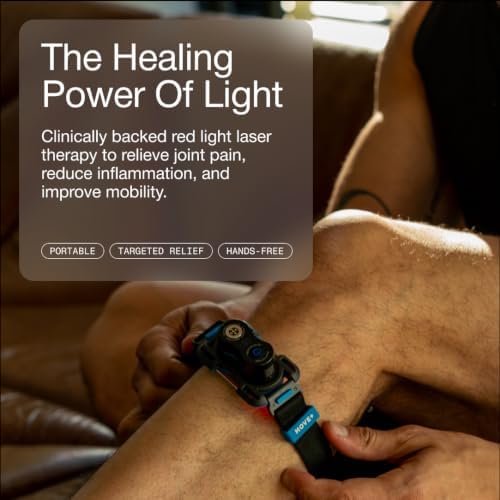
Once the modules are strapped on, you are completely hands-free. I ran sessions while working, reading, and watching TV, which is exactly how light therapy becomes part of a daily routine instead of a chore. For tension that settles across the neck and shoulders rather than one joint, a wearable like the SKG Neck Massager H5 Mini brings the same hands-free convenience to deep tissue kneading. And since the real test of any home therapy is whether you keep it up, older users managing a chronic condition often fold an easy one-button tool like the Oxiline Pressure XS Pro into that same daily routine.
Simple One-Button Operation With Timed Sessions
Operation is about as simple as it gets. You press and hold the button on any module for about a second and a half, and all three turn on and sync together.
The device defaults to your last timer and cycles through 5, 10, and 15 minute sessions. It shows the battery level on a small screen when it powers on and shuts off automatically when the session ends, so you are never watching a clock.
Noticeable Joint Pain Relief With Daily Use
This is the part that counts. I deal with knee pain, shoulder, and back issues from an old injury and lifting five to six days a week, and used consistently, the Move+ Pro has helped calm my aches and pains and recover faster between sessions.
It is not instant and it is not a cure. In my experience with red light therapy, it usually takes over a week of daily use to start noticing a difference, which lines up with Kineon’s own guidance that short daily sessions beat long occasional ones. Independent long-term reviewers echo the same theme of relief within days to weeks on specific joints, which is the whole case for using the Kineon on a target you care about.
Solidly Built Modules and Convenient Charging Dock
The modules themselves feel solid and lightweight, and they snap magnetically into the charging dock inside the case. You can charge the whole kit through a single USB-C port on the dock without taking anything out, and Kineon even includes a braided USB-C cable and a plug adapter.
Battery life is strong at around 4 hours of continuous use, which covers roughly two dozen short sessions between charges. One reviewer has run the same unit on an arthritic knee since late 2023, and the hardware has held up — my own older Kineon still works fine, too.
One Versatile Device for Knee, Elbow, and Shoulder
Because you can adjust both the overall strap size and the spacing between the modules, the same device dials in around a knee, shoulder, elbow, wrist, ankle, or neck. One tool covers a lot of spots. If the knee is your main trouble spot and you would rather add heat and massage than light, the KlugPop Knee Massager With Heat takes a cordless, targeted approach to that same joint.
It is also HSA and FSA eligible, so for many people the cost comes out of pre-tax health dollars. Kineon markets the Move+ Pro as a medical-grade laser therapy device and lists FDA-clearance alongside CE and RoHS certifications, which is reassuring for a joint-pain purchase at this price.
What Needs Improvement
No device is all upside, and the Move+ Pro has a few rough edges worth knowing before you spend $499. Most of them are about the hardware around the light, not the therapy itself.
The Strap and Plastic Clip Are the Weak Point
The lights are the strong part of this system; the strap and the little plastic clip that closes it around your body are not. The clip can feel flimsy, and it is the part I would worry about over the long haul.
I am not alone here. One Reddit owner called the clip fragile with “tough luck” if it breaks, and Kineon’s own helpdesk has a dedicated flow for a broken strap or buckle. For a device at this price, the closure should feel more durable.
You Pay Extra for the Back Extender Strap
The standard strap handles a knee, elbow, shoulder, or wrist well. Reaching your own mid-back, though, is awkward, and the extender strap that makes back use comfortable is sold separately.
It would be nicer if that piece came in the box. If back pain is your main reason for buying, factor in the extra cost up front.
Modules Charge Only Through the Dock, Not Directly
There is no charging port on the individual modules — they only charge through the dock. The case and dock are not just storage; they are how the device powers up, so losing them is a real problem.
Realistically, you will be charging fairly often if you do daily sessions. Building it into a routine, charge overnight and use in the morning, is the move, but it is one more thing to keep track of when you travel.
It Is Expensive and Treats One Spot at a Time
At $499 — and up to $699 at full list price — the Move+ Pro sits firmly in the premium end of recovery gear. You are paying for targeted, hands-free treatment, not broad coverage.
It also treats one joint-sized area at a time. If you want full-body red light therapy or skin-level rejuvenation, this is the wrong tool, and a panel will serve you better for the money.
Returns and Customer Support Can Be a Hassle
A recurring complaint from owners is the return and refund process. Multiple Reddit users describe a difficult experience and a sell-heavy website, echoing a negative Amazon review about support being hard to reach.
One owner said they had to request a chat with the CEO just to start a return, and a few report that a requested refund took persistence. If you are unsure the device will work for you, understand the return path before you buy.
Separately, the three modules run as one leader and two followers that sync wirelessly, and they can occasionally fall out of sync. The fix is easy — drop all three in the case and hold the resync button for about 5 seconds — but it is a quirk to expect.
How It Compares
The Move+ Pro competes in two directions at once: against big LED panels and against other targeted wearables.
Compared with large red light panels like the Bestqool, the trade is coverage versus precision. A panel floods a broad area at the surface and often costs less per treatment, but you have to sit in front of it, and the light does not reach as deep.
The Move+ Pro concentrates red and near-infrared light into one joint and lets you move around, which is most of the battle when it comes to using therapy consistently. A good panel still wins if you want whole-body exposure.
Against other wearables, the closest comparison is the PRUNGO FluxGo. One reviewer tested both against similar problems and found the therapy results nearly identical — the difference was the hardware.
The Move+ Pro’s strap-and-pod system is the better-built, easier-to-use product by a clear margin, which is exactly what keeps a device in your daily routine. The catch is that you pay a real premium for that polish.
Shoppers also cross-shop targeted devices like the Recharge Health FlexBeam, the TENDLITE Pro, and the LYMA Laser. The FlexBeam is the most direct wrap-style rival; the LYMA leans into medical-grade laser technology marketing at a far higher price. Where the Kineon separates itself is its combination of laser and LED technology — the Move+ Pro pairs 660nm light-emitting diodes with 808nm laser diodes in a three-module format that adjusts around different joints, delivering targeted red light therapy rather than a broad wash.
Expert sentiment is broadly positive. Gadgets & Wearables scored it 8/10, redlighttherapy.com rated it 4.7 overall, and reviewers at Wareable and mindbodygreen reported genuine relief on knee and lower back pain over months of use — a testament to the power of red light and laser combined for joint recovery.
A doctor of physical therapy will tell you the evidence for low-level laser therapy on knee arthritis is promising but still growing, so treat it as one part of a routine that also includes stretching and exercise, not a replacement for proper care. On Trustpilot, Kineon Labs holds a 4.0 average across more than 500 reviews, with the recurring sore spots being price and customer service rather than the therapy itself; owners generally credit the Kineon device with supporting their long-term joint health.
Final Verdict
The Kineon Move+ Pro is a targeted, well-built, and genuinely portable way to put deep red light and laser therapy right on a problem joint. The 660nm LED and 808nm laser combination reaches deeper than a typical LED panel, the hands-free design makes daily use easy, and in my testing, consistent sessions have helped with my knee, shoulder, and back pain.
It is not perfect. The strap and clip feel flimsier than a $499 device should, the back extender costs extra, charging depends entirely on the dock, and several owners report that returns and support can be frustrating. The therapy also only treats one spot at a time, so this is the wrong tool if you want full-body coverage.
I land at 3.8 out of 5. If you have a specific nagging joint and you will commit to short daily sessions, the Move+ Pro is the kind of targeted therapy device you can end up swearing by — just go in knowing where the compromises are. If you want broad, whole-body red light therapy or you are shopping on price, a quality panel will stretch your money further.
Specifications
| Brand | Kineon |
| Manufacturer | Kineon |
| Item Model Number | MOVE+ |
| Wavelengths | 660nm red light LEDs + 808nm near-infrared lasers |
| Light Output | 5mW per laser diode; 50mW per module |
| Modules | 3 modules, each combining LEDs and laser diodes |
| Laser Class | Class 1 laser diodes |
| Session Times | 5, 10, or 15 minutes (auto shut-off) |
| Battery Life | Approx. 4 hours continuous use |
| Item Weight | 0.79 kg (1.74 lb) |
| Package Dimensions | 7.83 x 6.26 x 4.25 inches; 1.74 pounds |
| Batteries | 3 Lithium Ion batteries required. (included) |
| Date First Available | June 10, 2024 |
Frequently Asked Questions
Is Kineon red light therapy legit?
The underlying science is real. The Kineon Move+ Pro uses photobiomodulation, where 660nm red and 808nm near-infrared light stimulate cellular activity and blood flow. Research on low-level laser therapy for knee arthritis is promising but still growing, so treat it as one part of a routine rather than a cure. The device is FDA-cleared with CE and RoHS certifications.
What are the differences between the Kineon Move+ and Move+ Pro?
The Move+ Pro is the second-generation device and the one sold on this Amazon listing. Reviewers who tested both report the Pro adds stronger laser intensity, a more comfortable build, and a refined wrap design over the original Move+, plus an upgraded companion app with treatment tracking.
How long is a Kineon Move+ Pro session, and how often should you use it?
Each session runs 5, 10, or 15 minutes, and the device shuts off automatically when the timer ends. Kineon recommends short daily sessions over long occasional ones, and in my experience it takes over a week of consistent daily use to start noticing a difference.
Can you use the Kineon Move+ Pro on your back?
Yes, but comfortably reaching your mid-back requires the extender strap, which is sold separately rather than included. The standard strap handles a knee, elbow, shoulder, wrist, or ankle well on its own.
What is the downside of red light therapy with the Move+ Pro?
It is not instant and it is not a cure, so results depend on near-daily use. The Move+ Pro also treats one joint-sized area at a time rather than your whole body, and at $499 it is a premium purchase. The strap clip can feel flimsy, and some owners report that returns are a hassle.
Is the Kineon Move+ Pro worth the money?
If you have a specific joint problem and will use it daily, most reviewers — and my own testing — found it delivers real targeted relief, which is why it earns a 3.8 out of 5 here. If you want full-body coverage or are price-sensitive, a quality LED panel is a better value.
Ready to Buy?
Kineon Move+ Pro Red Light Therapy Wrap delivers on its promises. If it fits your needs, it's a solid choice you won't regret.
Check Price on Amazon Founder & Product Reviewer at TheReviewRewind
Daniel has tested 400+ products across 20+ categories through hands-on, real-world testing. Every review includes video documentation and standardized scoring criteria. His reviews appear as Amazon shoppable videos and here on TheReviewRewind.
We earn a commission if you make a purchase, at no extra cost to you. This does not influence our ratings or recommendations. Full disclosure
Looking for more options? See all our Health & Household reviews.
Related Reviews