BioBag 3-Gallon Compostable Food Scrap Bags Review: Do They Hold Up?

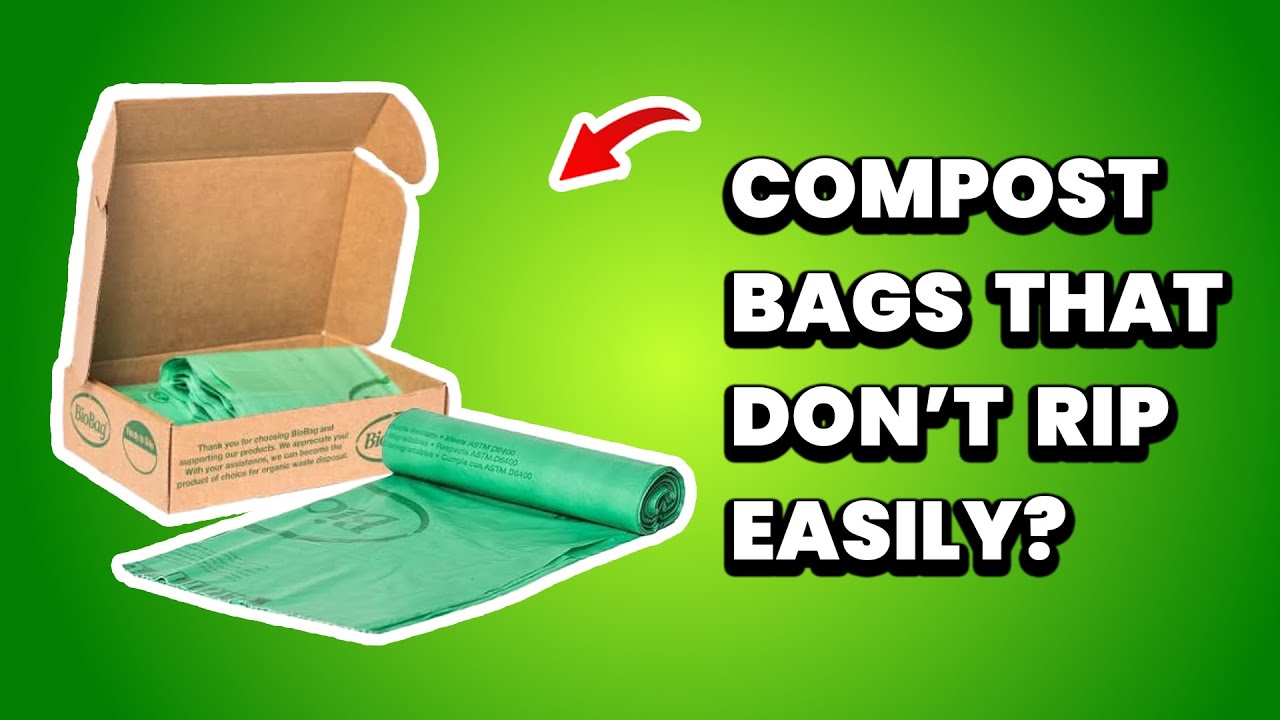

BioBag 3-Gallon Compostable Food Scrap Bags Review: Do They Hold Up?
BioBag 3-Gallon Compostable Food Scrap Bags
Buy if you want a certified compostable bag that fits standard kitchen compost bins and reduces odor. Skip if you need maximum durability for heavy or sharp food waste.
Buy on AmazonWhat We Liked
- Certified Compostable and Eco-Friendly
- Breathable Design Reduces Odor
- Handles Food Scraps Without Leaking
- Fast Decomposition in Compost Pile
- Fits Standard Kitchen Compost Bins
What Could Be Better
- Thinner Than Plastic Bags
- Moisture Weakens the Bottom
- Higher Price Per Bag
How we test: Every product is used in real conditions and evaluated using our standardized scoring criteria. Read our full review methodology.
Can a compostable bag handle daily kitchen food scraps without falling apart? That question led me to test the BioBag 3-Gallon Compostable Food Scrap Bags over several weeks of everyday use.
BioBag has been producing compostable bags in the United States since 2002, making them one of the longest-running brands in this space. Their 3-gallon bags are made from Mater-Bi, a plant-based bioplastic derived from corn starch, vegetable oils, and compostable polymers. Each bag is BPI certified to meet ASTM D6400 standards for commercial composting.
I used these bags in my kitchen countertop compost bin, filling them with fruit peels, coffee grounds, and vegetable scraps. The short answer: they do the job well for most composting needs, though they require a bit more care than traditional plastic bags.
What I Liked About BioBag Compostable Bags
Certified Compostable and Eco-Friendly
BioBag holds more certifications than most competitors in this category. Each bag carries BPI certification, TUV Austria OK Compost HOME approval, and Non-GMO Project Verified status. Unlike biodegradable bags that can leave microplastics behind, BioBag products decompose into water, carbon dioxide, and organic biomass.
The Mater-Bi resin is sourced from Italy and blown into bags at BioBag’s California facility. This plant-based material sets BioBag apart from brands that use petroleum-based additives. The same plant-based versus petroleum split shows up in cleaning products, where the Young Living Thieves Household Cleaner uses coconut-derived cleansers in place of conventional synthetic surfactants.
Breathable Design Reduces Odor
One feature I appreciated was the breathability. BioBag bags allow heat and moisture to escape without leaking liquid. This ventilation reduces bacterial build-up inside the bag, which means less odor between changes.
In my testing, the compost bin smelled noticeably less when using BioBag compared to sealed plastic bags. The moisture evaporation also kept the bag contents drier and easier to handle.
Handles Food Scraps Without Leaking
The star-sealed bottom provides extra strength where it matters most. I loaded these bags with coffee grounds, banana peels, vegetable trimmings, and eggshells without any bottom-out failures.
For standard kitchen food scraps, the 0.64 mil thickness holds up well. The key is avoiding sharp bones or overloading beyond the 3-gallon capacity.
Fast Decomposition in Compost Pile
BioBag earned the top spot for decomposition speed in Sustainable Jungle’s vermicomposter test. Their GMO-free resin showed significant degradation in under three months, faster than UNNI, Ecolipak, and other tested brands.
For anyone with a municipal composting program, these bags meet all requirements for curbside collection. They break down completely without leaving harmful residues.
Fits Standard Kitchen Compost Bins
The 16.9 x 17.7-inch dimensions fit most standard countertop composting pails. I used them with a standard 3-gallon kitchen compost bin and had no issues with fit or overhang.
The 100-count box lasts several months for an average household, assuming you change bags every three to five days as recommended.
What Needs Improvement
Thinner Than Plastic Bags
At 0.64 mil, BioBag bags are noticeably thinner than traditional plastic trash bags and some competing compostable brands. UNNI bags, for example, come in at 0.71 mil. This thinness means you need to be more careful when pulling bags off the roll and when handling them.
If you rush tearing a bag off the roll, the edges will rip. Taking an extra 20 seconds to gently separate and shake out each bag prevents most tearing issues.
Moisture Weakens the Bottom
The biggest functional concern is moisture. When wet food scraps sit against the bottom for extended periods, the material softens. I experienced this with watermelon rinds left overnight.
The fix is straightforward: place a paper towel at the bottom of the bag before adding food scraps. This absorbs excess moisture and extends the bag’s usable life. Changing bags every three to five days also helps.
Higher Price Per Bag
At roughly $0.21 per bag (based on the 100-count package), BioBag costs more per unit than regular plastic garbage bags. The price reflects the plant-based materials and multiple certifications, but it is a consideration for budget-conscious households.
Buying in larger quantities or subscribing through Amazon can reduce the per-bag cost. For those committed to reducing plastic waste, the environmental trade-off may justify the higher price.
How It Compares
vs UNNI Compostable Bags
UNNI is BioBag’s closest competitor in the 3-gallon compostable bag category. UNNI bags are thicker at 0.71 mil compared to BioBag’s 0.64 mil, giving them an edge in durability with heavier loads.
Where BioBag wins is decomposition speed. In composting tests, BioBag broke down faster than UNNI. BioBag also holds more certifications, including the TUV Austria OK Compost HOME certification that UNNI lacks. If composting speed and certification breadth matter to you, BioBag is the stronger choice. If durability is your top priority, UNNI deserves a look. For a countertop pail too small for either 3 gallon option, the GreFusion Compostable Bags 1.2 Gallon offer the same certified compostable build in a snugger 1.2 gallon size.
vs Ecolipak Compostable Bags
Ecolipak offers thicker material and competitive pricing. Their bags are designed for the same kitchen compost bin use case and carry BPI certification.
BioBag’s advantage is brand reputation built over two decades and a more extensive list of third-party certifications. Ecolipak is a solid alternative if you find BioBag out of stock or want a thicker bag at a similar price. We also tested the smaller format in our BioBag 3-gallon compost bags review, which covers durability and moisture handling in more detail. On the storage side of the same kitchen, sealed portion sets like the Lamosi 9 oz plastic cups with lids handle the leftover food that never reaches the scrap bin.
vs Simply Bio Compostable Bags
Simply Bio competes on price, often coming in lower per bag than BioBag. Both brands carry BPI certification and target the same countertop composting market.
BioBag’s longer track record since 2002 and Italian-sourced Mater-Bi resin give it an edge in proven reliability. Simply Bio is worth considering if price is your primary decision factor.
Final Verdict
The BioBag 3-Gallon Compostable Food Scrap Bags deliver on their core promise: a genuinely compostable alternative to plastic bags for kitchen food waste. I rate them 4.2 out of 5.
The extensive certifications, fast decomposition rate, and breathable design earn high marks. The thinner material and moisture sensitivity hold them back from a perfect score, but neither issue is a dealbreaker with proper handling.
Bottom line: BioBag is the most established name in compostable bags for a reason. If you compost at home or through a municipal program, these bags make the process cleaner and more sustainable without sacrificing functionality.
Specifications
| Brand | BioBag |
| Bag Size | 3 Gallon |
| Item Count | 100 |
| Material | Mater-Bi (plant starches, vegetable oils, compostable polymers) |
| Dimensions | 16.9 x 17.7 inches, 0.64 mil |
| Certification | BPI Certified, ASTM D6400, TUV Austria OK Compost HOME |
| Country of Origin | Made in USA with imported resin from Italy |
| Special Feature | Compostable, Breathable, Star Sealed Bottom |
Frequently Asked Questions
Do BioBag compostable bags leave microplastics?
No. BioBag bags are made from Mater-Bi, a plant-based resin that breaks down into water, carbon dioxide, and organic biomass. Unlike some biodegradable bags that use petroleum-based additives, BioBag products decompose completely without leaving microplastic residues.
Are BioBag bags compostable in a backyard compost pile?
BioBag holds the TUV Austria OK Compost HOME certification, which means they are designed to break down in home composting conditions. However, decomposition speed depends on your compost pile temperature. Industrial composting facilities break them down faster than backyard systems.
What are the drawbacks of BioBag compostable bags?
The main drawbacks are thinner material compared to plastic bags, sensitivity to moisture at the bottom, and a higher per-bag cost. Placing a paper towel at the bottom and changing bags every three to five days addresses the moisture issue.
How long do BioBag bags take to decompose?
In Sustainable Jungle's vermicomposter testing, BioBag showed significant degradation in under three months. In industrial composting facilities, they can break down in 10-45 days. Home composting takes longer depending on temperature and conditions.
What size BioBag fits a kitchen compost bin?
The 3-gallon BioBag measures 16.9 x 17.7 inches and fits most standard kitchen countertop composting pails. BioBag also makes 13-gallon bags for larger kitchen trash bins.
Are BioBag compostable bags worth the higher price?
At roughly $0.21 per bag, BioBag costs more than traditional plastic bags. The value comes from genuine compostability backed by BPI, TUV Austria, and Non-GMO Project certifications. For households committed to reducing landfill waste, the environmental benefits justify the cost.
Ready to Buy?
BioBag 3-Gallon Compostable Food Scrap Bags delivers on its promises. If it fits your needs, it's a solid choice you won't regret.
Check Price on Amazon Founder & Product Reviewer at TheReviewRewind
Daniel has tested 400+ products across 20+ categories through hands-on, real-world testing. Every review includes video documentation and standardized scoring criteria. His reviews appear as Amazon shoppable videos and here on TheReviewRewind.
We earn a commission if you make a purchase, at no extra cost to you. This does not influence our ratings or recommendations. Full disclosure
Looking for more options? See all our Health & Household reviews.
Related Reviews