Wartenberg Neuro Pinwheel Review (2026)


Wartenberg Neuro Pinwheel Review (2026)
Wartenberg Neuro Pinwheel Review (2026)
Buy if you want an affordable, well-built stainless steel pinwheel for gentle sensory testing or beginner-friendly sensory play. Skip if you need a certified hospital-grade instrument or a sharper, more intense wheel.
Buy on AmazonWhat We Liked
- Solid All-Stainless-Steel Build
- Even 22-Pin Sensation
- Easy Pressure Control
- Simple to Clean and Sanitize
- Affordable and Genuinely Versatile
What Could Be Better
- Inconsistent Sharpness Between Units
- Not a Certified Surgical-Grade Instrument
- Hygiene Limits of a Reusable Metal Wheel
- Too Gentle for Intense Sensation Seekers
How we test: Every product is used in real conditions and evaluated using our standardized scoring criteria. Read our full review methodology.
This is one of those products where the official description and what people actually buy it for are two very different things. Officially, the Wartenberg Neuro Pinwheel is a medical instrument. Unofficially, it has found a second life well outside the clinic.
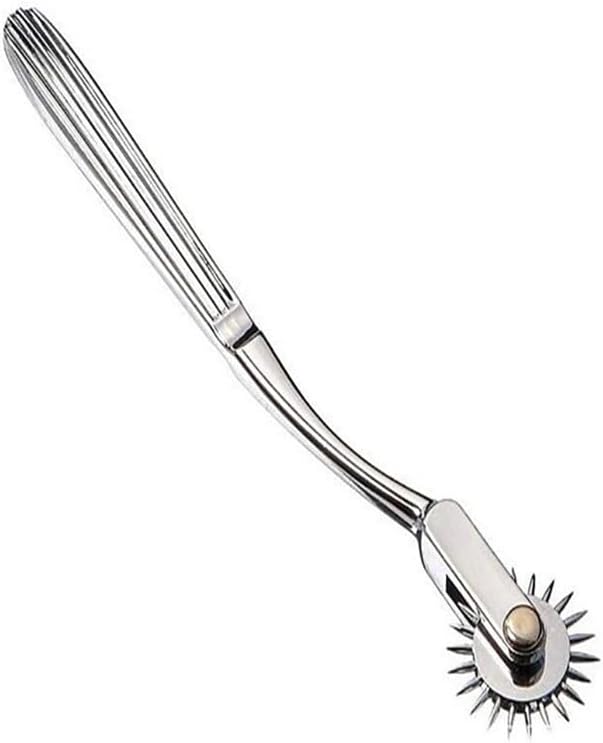
The Wartenberg Neuro Pinwheel is a handheld diagnostic instrument: a single spiked wheel on a stainless steel handle that doctors and nurses roll across the skin to test nerve response and sensation. This particular model is all stainless steel, carries 22 evenly spaced metal pins, and measures about 7.5 inches long. It sells for around $7.99 and holds a 4.3-star rating across more than 3,200 Amazon ratings.
Named after the German neurologist Robert Wartenberg, the pinwheel was designed to measure sharp sensation and map sensory perception across an area of skin, gauging how the sensory nervous system responds. Today, plenty of buyers pick it up for couples and sensory play instead, where that same controllable, prickly sensation adds a little anticipation.
I spent time handling this wheel, rolling it across my own skin at different pressures, and weighing it against both clinical pinwheels and the disposable plastic versions. Here is where this affordable little tool earns its keep, and where it falls short.
What I Liked
The Wartenberg Neuro Pinwheel is a simple tool, but it gets the fundamentals right. Here is what stood out across handling and testing.
Solid All-Stainless-Steel Build
For under $10, the build quality genuinely surprised me. The handle, the frame, and the wheel are all stainless steel, so the whole instrument feels dense and solid rather than hollow or cheap.
The wheel spins freely and smoothly on its axle with no wobble or grinding. That smooth rotation matters, because a sticky wheel would drag across the skin instead of rolling an even line of contact.
Even 22-Pin Sensation
The wheel carries 22 metal pins spaced evenly around its circumference. That even spacing enhances consistency, giving you a repeatable sensation as the wheel rolls across an area of skin, which is exactly what you want for both a sensory test and controlled sensory play.
One Reddit user summed up the general feel well: “The spikes are sharp but not so sharp that they pierce the skin.” Each pin lands in an even rhythm rather than one hard jab.
Easy Pressure Control
Because the pins are sharp enough to register but not aggressive, you stay fully in control of how much sensation you deliver. Light passes create a tingly, prickly reaction on the surface, while pressing harder digs in and leaves brief pin impressions without breaking skin.
This wide, controllable range is what makes the pinwheel so beginner friendly. You dial the intensity in with pressure alone, which is reassuring whether you are learning a neurological examination or exploring sensation with a partner. Buyers who put that controllable touch to work in the kitchen, pricking duck skin before a roast, tend to keep a bulk box like the Delxo 30-33 Gallon Trash Bags under the sink for the prep scraps that follow.
Simple to Clean and Sanitize
The smooth, non-porous stainless steel is easy to wipe down and sanitize between uses. There are no plastic seams or textured grips to trap residue, so a quick wipe with alcohol ensures it stays hygienic.
That easy cleaning is a real practical benefit for any reusable instrument. It is the main reason clinical guidance still favors stainless steel over cheaper materials when a wheel is going to be reused.
Affordable and Genuinely Versatile
At roughly $7.99, this is about the cheapest way to get a functional, all-metal neuro wheel. That low price is a big part of its appeal for nursing students, med students, and curious first-time buyers alike.
The versatility is the other half of the value. The same wheel that helps a student practice testing skin sensitivity doubles as an approachable sensory-play tool at home, and buyers have even repurposed it for tasks like pricking duck skin in the kitchen. For that kind of food prep, pairing it with a food-safe glove like the ASAP Disposable Black Nitrile Gloves keeps your grip clean and secure while you work.
What Needs Improvement
No product is perfect, and a $8 instrument comes with real trade-offs. Here are the issues worth knowing before you buy.
Inconsistent Sharpness Between Units
The single most common complaint is that sharpness varies from wheel to wheel. Some arrive noticeably duller than expected, while others are sharp enough to break skin under light pressure.
You can see both sides in user reviews. One Amazon buyer noted the “tines are not as sharp as expected,” while a Reddit user warned that “if they’re sharp enough it’s actually pretty easy to draw blood without pressing too hard.” That inconsistency makes each wheel a bit of a lottery.
Not a Certified Surgical-Grade Instrument
This is a budget generic model, not a certified medical device from a name-brand manufacturer. The listed manufacturer is a generic seller, and there are no clinical certifications behind it.
For casual home use or student practice that is fine, but a working clinician performing a formal neurological examination on a patient may want a documented, brand-name instrument instead. The steel is also basic enough that leaving it wet can invite spotting or corrosion over time.
Hygiene Limits of a Reusable Metal Wheel
Any reusable wheel raises hygiene questions in a real clinical setting. Because the pins are reused across sessions, medical-supply sources increasingly recommend single-use plastic pinwheels to eliminate the risk of cross-contamination between patients.
Stainless steel is easy to sanitize, but sanitizing is not the same as sterile. In a professional practice, this reusable metal wheel is best kept to non-clinical demonstration or personal use rather than direct patient examination.
Too Gentle for Intense Sensation Seekers
The same mild sharpness that makes this wheel beginner friendly is a drawback if you want real bite. Several buyers looking for a sharper, more painful sensation found it underwhelming.
If your goal is intensity rather than a light tingly tease, you will likely want a sharper specialty wheel instead. This model is tuned toward gentle, controllable sensation, not maximum edge.
How It Compares
Wartenberg pinwheels come in a surprising number of variations, from disposable plastic to heavier surgical steel. Here is how this budget model stacks up.
vs EMI Deluxe Stainless Steel Wartenberg Pinwheel
The EMI Deluxe is the step-up stainless option, marketed as a heavier, surgical-grade instrument that arrives hygienic and ready to use. The extra mass and tighter finish give it a more premium feel in the hand.
You pay more for that polish, though. If you want a dependable, name-associated tool for repeated clinical practice, the EMI is worth the upgrade; if you just need a functional wheel to learn on, this cheaper model covers the same core job. For anyone drawn to affordable precision instruments beyond the exam room, the DXZtoz Dual-Lens Articulating Borescope brings the same budget-minded engineering to inspecting tight, hard-to-see spaces.
vs Baseline Cleanwheel (Disposable)
The Baseline Cleanwheel is a single-use plastic neurological pinwheel that ships in sterile packaging. In a busy clinic, that per-patient hygiene is its whole point, since a fresh wheel removes any cross-contamination worry during a sensory examination.
The trade-off is that it is disposable and less durable, and it lacks the solid feel of steel. For a working clinician the Cleanwheel is the safer choice; for a student or home user, the reusable stainless wheel is far more economical over time.
vs Plastic Disposable Neuro Wheels
Fabrication Enterprises and similar brands sell inexpensive plastic pinwheels that measure cutaneous sensory response the same way. Their advantages are lower injury risk and low cost per unit, which is why they show up in many exam rooms.
What they give up is longevity and that reassuring metal weight. This stainless model outlasts them and feels better to use, but it cannot match the throwaway convenience of a sterile single-use wheel.
vs XE Stainless Steel Wartenberg Pinwheel
The XE is a near-identical 22-pin stainless wheel at a similar price point. On paper the two are almost interchangeable, and the real differences come down to seller quality control and finish rather than design.
Because sharpness varies unit to unit across all of these budget wheels, the deciding factor is often whichever listing has the better recent reviews. Functionally, you are getting the same kind of tool either way.
Final Verdict
The Wartenberg Neuro Pinwheel is a well-built stainless steel instrument that punches above its price. It is easy to clean, easy to control, and versatile enough to bridge its official diagnostic purpose and its more popular role in sensory play.
I am giving the Wartenberg Neuro Pinwheel a 4.2 out of 5.
It loses points for inconsistent sharpness between units, the lack of any clinical certification, and the hygiene limits that come with any reusable metal wheel. None of that is surprising at this price, and none of it undermines what the tool actually does well.
For students learning to test skin sensitivity, curious first-time buyers, and couples exploring gentle sensation, this affordable wheel delivers a smooth, controllable roll and a solid all-metal feel. Just know that a serious clinician or an intensity seeker will want a more specialized option.
Bottom line: For around $8, this is a genuinely solid, versatile pinwheel that does exactly what most buyers want it to.
Specifications
| Brand | YESIACE |
| Material | Stainless Steel |
| Number of Pins | 22 |
| Length | 7.5 inches |
| Manufacturer | Fun lele |
| Package Dimensions | 7.4 x 1.42 x 0.67 inches; 2.08 ounces |
Frequently Asked Questions
What is a Wartenberg Neuro Pinwheel used for?
Officially, the Wartenberg Neuro Pinwheel is a diagnostic instrument that clinicians roll across the skin to test sharp sensation and nerve response, which helps map issues like peripheral neuropathy. In practice, many buyers use it for sensory play, where the same controllable prickly sensation adds anticipation. It works for both because it delivers an even, adjustable stimulus.
Is using a Wartenberg Neuro Pinwheel painful?
Not on this model. The 22 pins are sharp enough to register a distinct prickle but not so sharp that they easily break skin under normal pressure. Light passes feel tingly, while firm pressure digs in more without real pain, though sharpness can vary from unit to unit.
Is a Wartenberg wheel the same as a pinwheel?
Yes. Wartenberg wheel, Wartenberg pinwheel, and neuro wheel all refer to the same tool: a spiked wheel on a handle named after neurologist Robert Wartenberg. This listing simply markets it as the Wartenberg Neuro Pinwheel.
What is the point of a pinwheel exam with the Wartenberg Neuro Pinwheel?
During a neurological examination, a clinician rolls the wheel across different areas of skin and asks the patient what they feel. Comparing the reaction between areas helps reveal reduced sensation or nerve damage. The even 22-pin spacing is what makes that comparison consistent.
Does the Wartenberg Neuro Pinwheel use durable, quality materials?
For the price, yes. The handle and wheel are all stainless steel, so it feels solid and is easy to sanitize between uses. It is not a certified surgical-grade instrument, and the basic steel can spot if left wet, but the build is dependable for students and home users.
Ready to Buy?
Wartenberg Neuro Pinwheel Review (2026) delivers on its promises. If it fits your needs, it's a solid choice you won't regret.
Check Price on Amazon Founder & Product Reviewer at TheReviewRewind
Daniel has tested 400+ products across 20+ categories through hands-on, real-world testing. Every review includes video documentation and standardized scoring criteria. His reviews appear as Amazon shoppable videos and here on TheReviewRewind.
We earn a commission if you make a purchase, at no extra cost to you. This does not influence our ratings or recommendations. Full disclosure
Looking for more options? See all our Industrial & Scientific reviews.
Related Reviews