Dentagum Remineralizing Gum Review: Is Nano-Hydroxyapatite Worth the Premium?


Dentagum Remineralizing Gum Review: Is Nano-Hydroxyapatite Worth the Premium?
Dentagum Remineralizing Gum
Dentagum delivers a credible nano-hydroxyapatite + xylitol formula in a clean, plant-based tree-sap base, and it genuinely freshens breath without aspartame. At about $0.55 per piece, with no disclosed particle size and a fast-fading mint, it's an interesting daily upgrade for hydroxyapatite believers, not a cure-all replacement for brushing.
Buy on AmazonWhat We Liked
- Real Nano-Hydroxyapatite, Not Just Marketing
- Clean Ingredient Panel With Xylitol and Erythritol
- Pure Tree-Sap Gum Base That Actually Holds Up
- Fresh Peppermint Flavor Without That Synthetic Bite
What Could Be Better
- About 55 Cents Per Piece Adds Up Fast
- Mint Fades Quicker Than Regular Gum
- Particle Size and Testing Details Aren't Disclosed
- Non-Returnable Once the Pouch Is Opened
How we test: Every product is used in real conditions and evaluated using our standardized scoring criteria. Read our full review methodology.
Have you ever stared at a brushing-and-flossing schedule and wished there was something useful you could do for your teeth in the 16 hours a day a toothbrush never touches them? That’s the slot Dentagum is angling for.
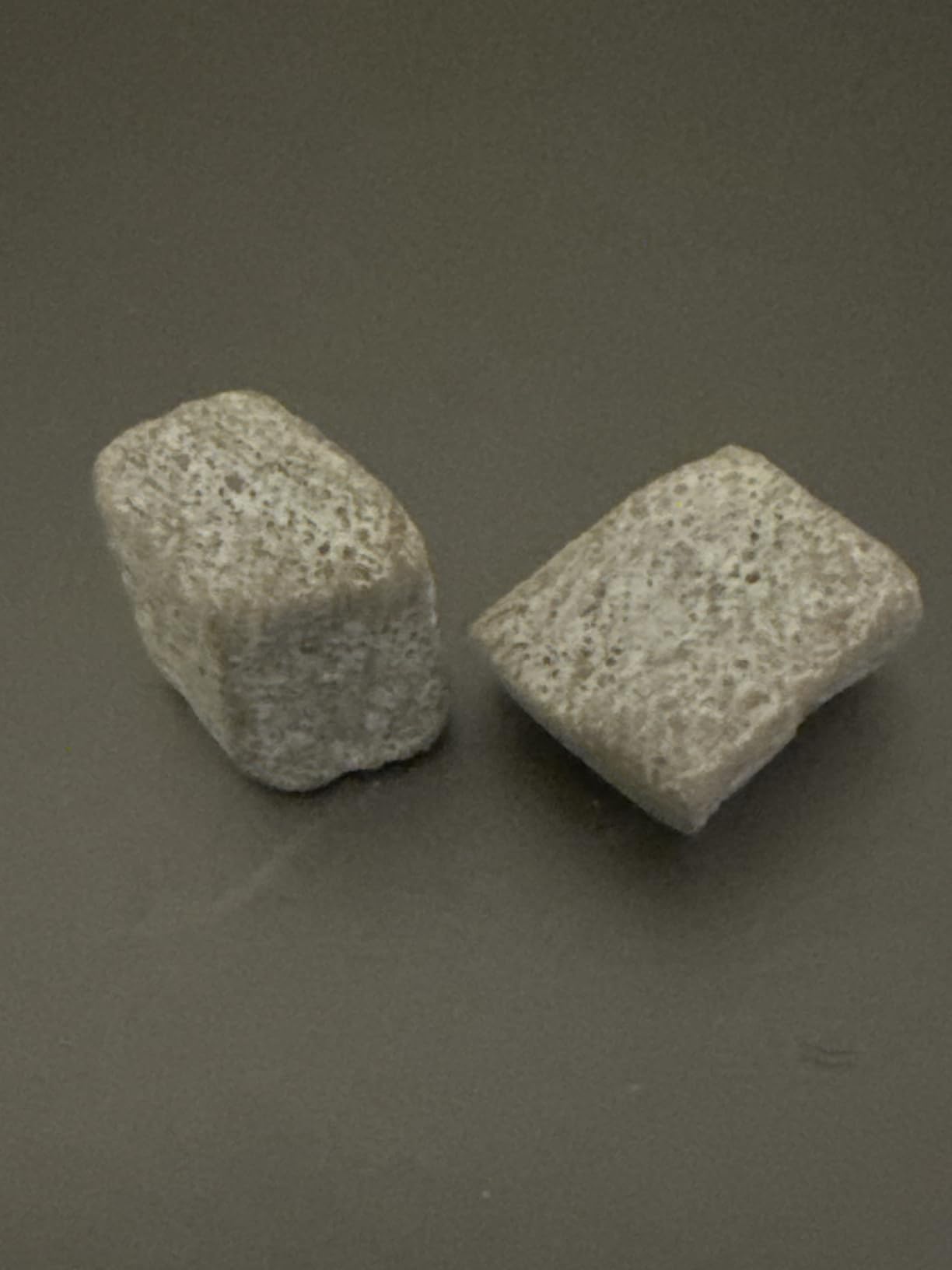
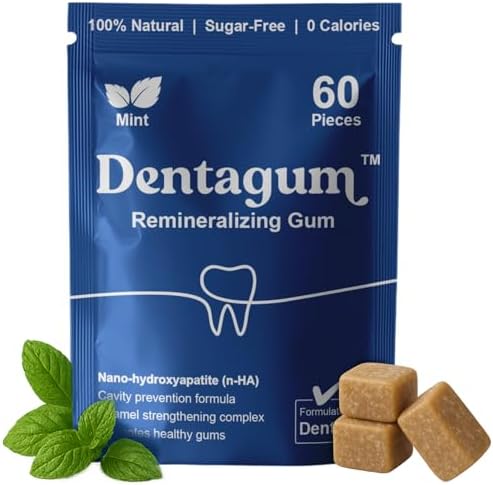
Dentagum Remineralizing Gum is a sugar-free, plant-based chewing gum built around nano-hydroxyapatite, xylitol, and erythritol, packaged 60 pieces to a pouch for $32.97. It bills itself as a dentist-formulated way to support enamel between brushings, with a tree-sap base instead of synthetic plastic.
I chewed it after meals for several weeks, cross-checked the claims against the published nano-hydroxyapatite literature, and stacked it up against Enamio, Underbrush, Larineco, and Crait, the other remineralizing gums getting attention right now.
The short version: the formula is honest about the right things and quiet about a few details I wish weren’t hidden. At about 55 cents per piece, it’s a daily upgrade for hydroxyapatite believers, not a fluoride-free miracle.
What I Liked
Four things about Dentagum kept me reaching for the pouch after meals instead of plain Trident.
Real Nano-Hydroxyapatite, Not Just Marketing
Dentagum’s label leads with nano-hydroxyapatite, the same calcium-phosphate mineral that makes up roughly 97 percent of tooth enamel. The clinical case for hydroxyapatite in oral care is now solid: an NIH review concluded that the remineralisation effects of nano-HA “have been proven to be equal to fluoride,” with the bonus of being biocompatible and non-toxic if swallowed.
Chewing gum is admittedly a newer delivery format, but a Porciani et al. clinical trial on a calcium-hydroxyapatite gum reported a 54 percent reduction in tactile dentin sensitivity after two weeks of use. Pairing that with the saliva surge you get from any 10-to-20-minute chew is a sensible way to bridge the gap between brushings.
Clean Ingredient Panel With Xylitol and Erythritol
Dentagum sweetens with xylitol and erythritol, two sugar substitutes that cavity-causing bacteria can’t ferment into acid. That matters because the same chew that delivers hydroxyapatite is also nudging your mouth toward a less acidic pH and away from plaque-friendly conditions.
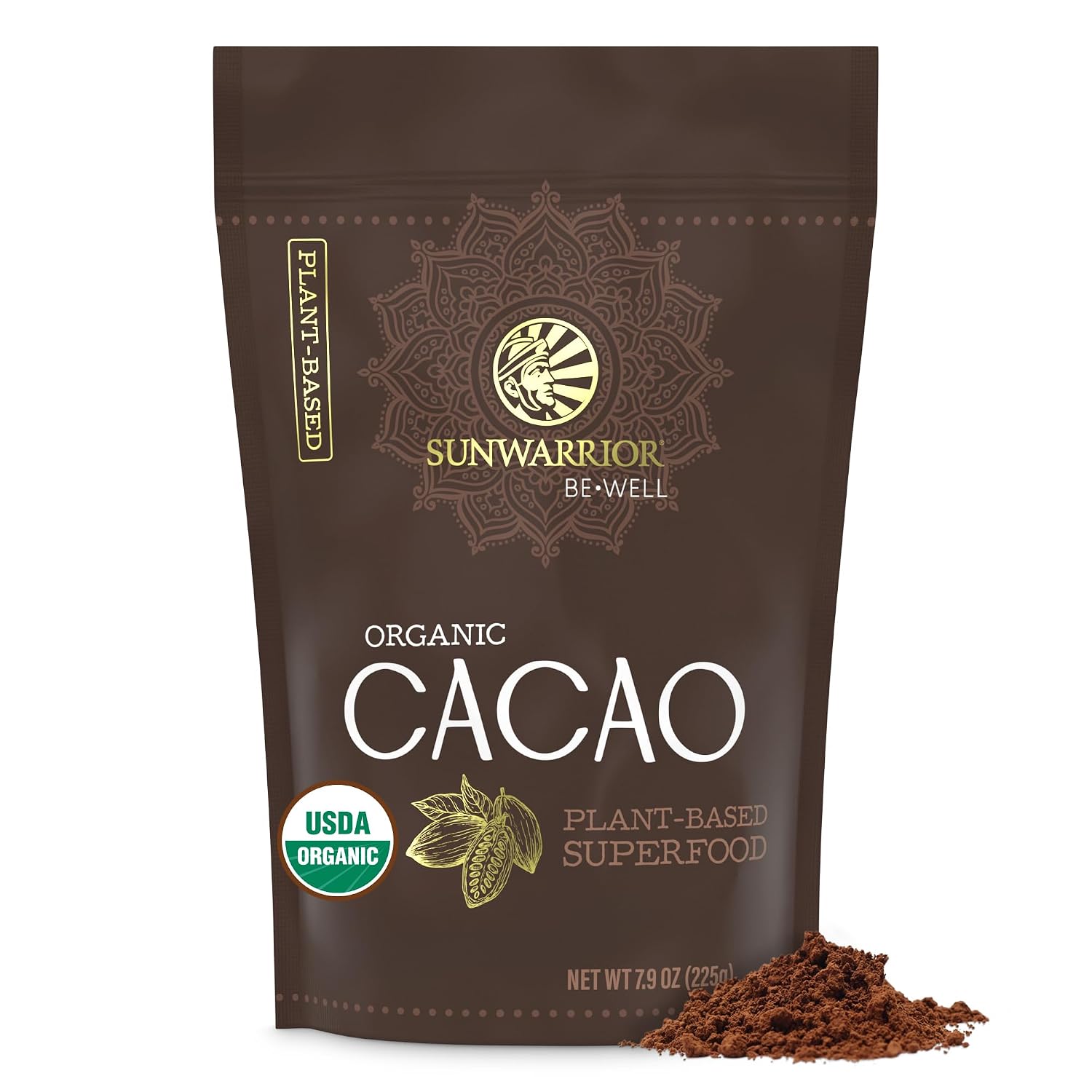
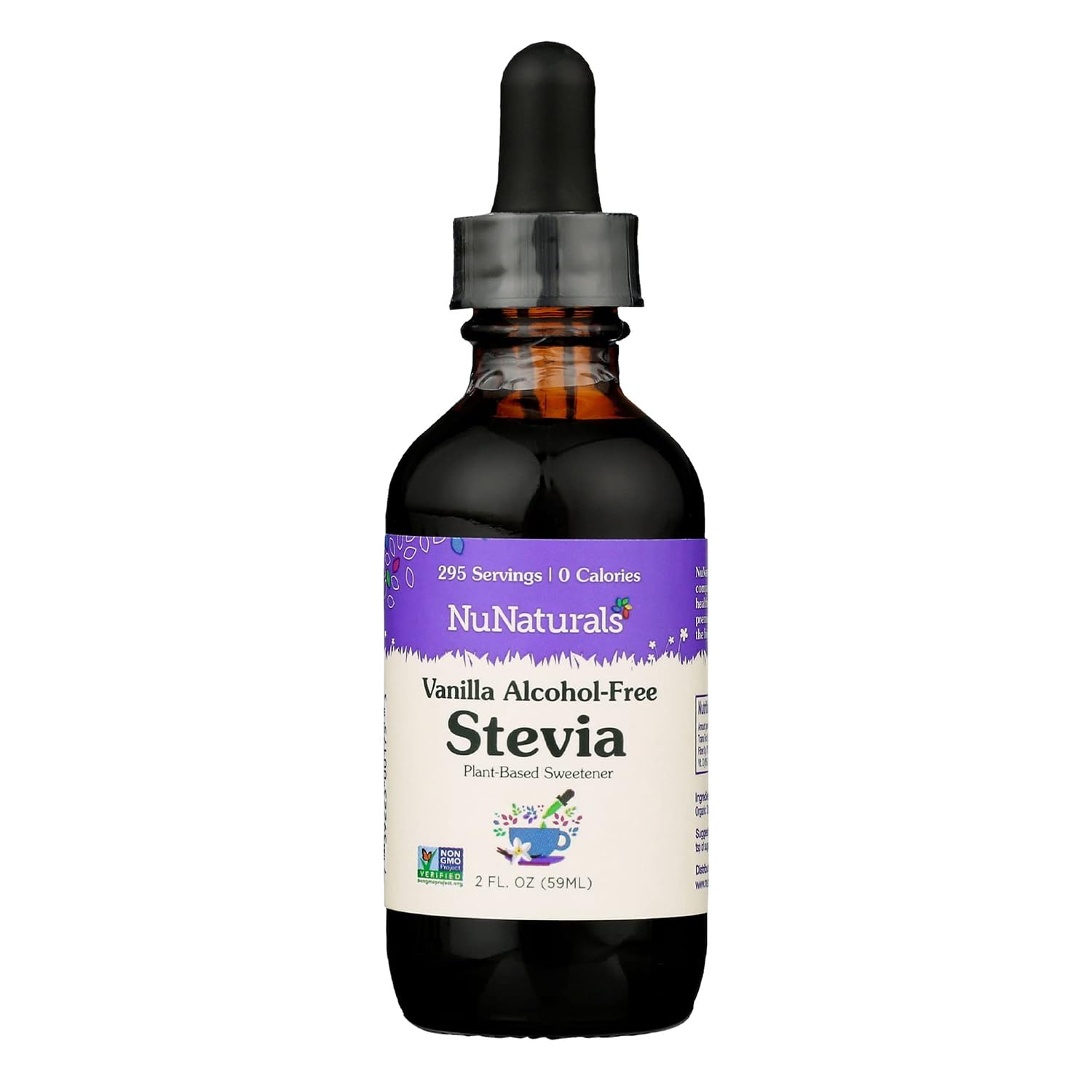
There’s no aspartame, no acesulfame K, and no artificial sweeteners on the label. For anyone who already swapped to a fluoride-free toothpaste because of ingredient concerns, the gum slots in without breaking the pattern. Label-readers who avoid additives in their gum usually want the same in their sweetener, and the NuNaturals Vanilla Liquid Stevia keeps its panel to stevia extract, natural vanilla, glycerin, and water. That same clean-label instinct carries into the pantry with the Be Well Organic Cacao Powder, whose ingredient panel runs a single line of organic cacao.
Pure Tree-Sap Gum Base That Actually Holds Up
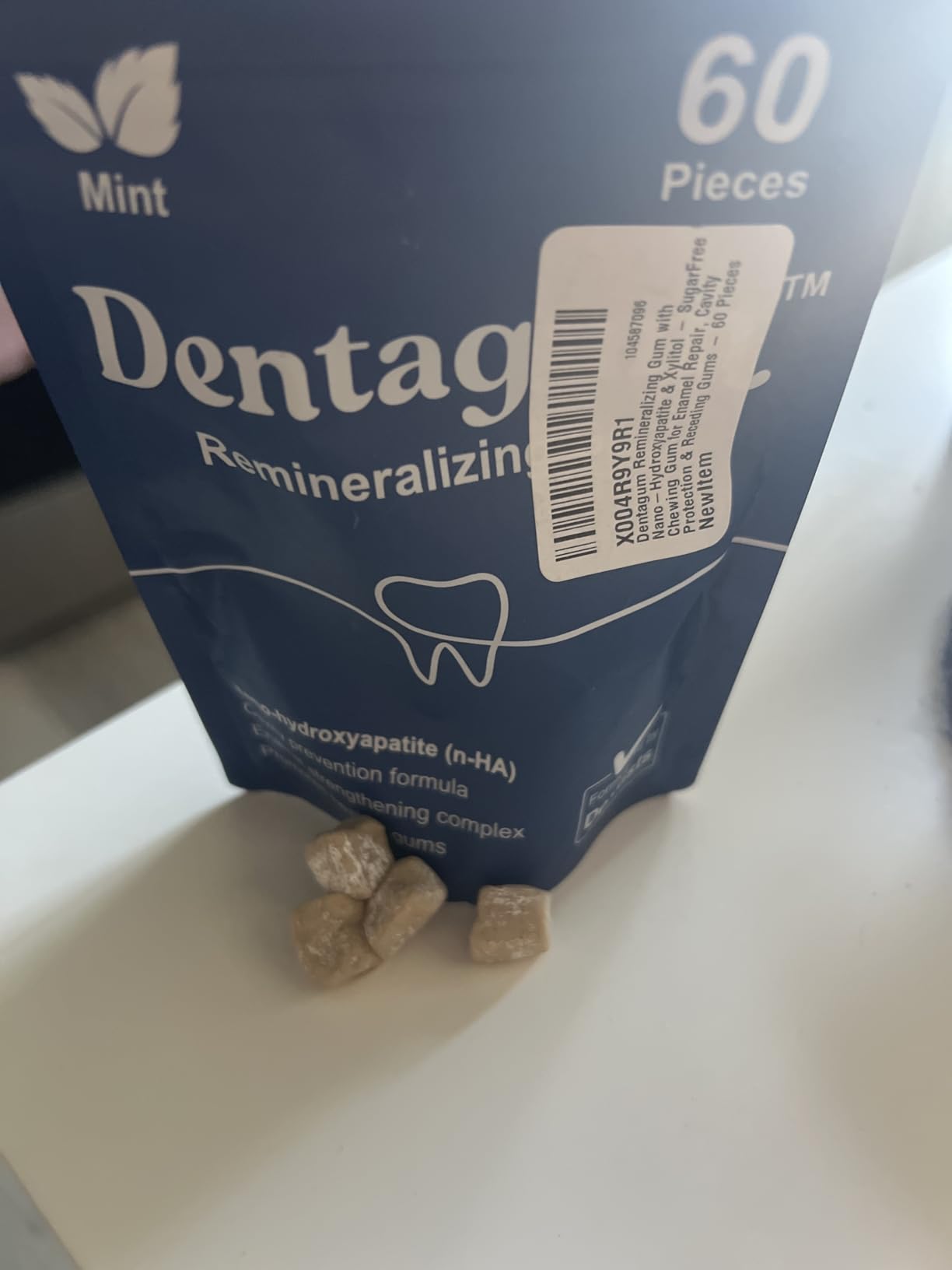
The gum base is a blend of chicle, mastic, and spruce resin instead of the usual synthetic polymer base. Mastic alone has small dental studies behind it for reducing bacterial counts and gingival index scores, which is a nice bonus for an ingredient most brands quietly hide as “gum base.”
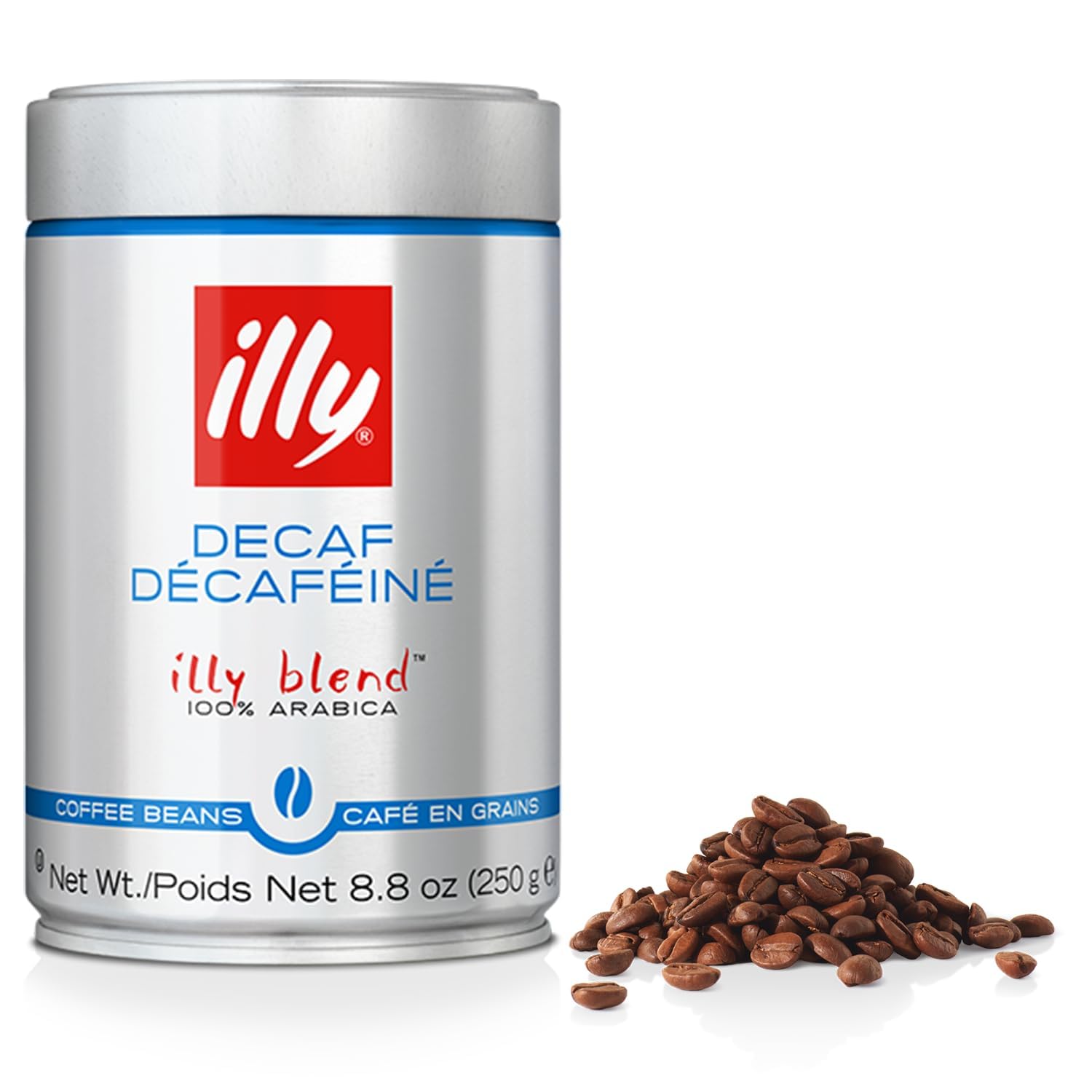
In practice, the texture is firmer than Extra at first bite and softens into a satisfying, long-lasting chew. It also breaks down naturally, which is a small but real win if you’ve ever scraped synthetic gum off a sidewalk. That same instinct for clean, naturally processed products carries into your coffee, where the illy Classico Decaf Whole Bean Coffee strips caffeine with CO2 rather than chemical solvents.
Fresh Peppermint Flavor Without That Synthetic Bite
Dentagum’s mint comes from peppermint oils plus natural terpenes like menthone and cineol rather than artificial flavor packets. The first few minutes deliver a clean, cooling taste that feels closer to a strong herbal tea than a candy mint.
There’s no metallic aftertaste and no “sugar-free chemical” finish, which is the single most common complaint with low-cost xylitol gum. My mouth honestly felt like I’d just brushed by the time I spit it out, which matches what most early YouTube reviewers describe. Shoppers who value that same clean natural flavor in their daily pantry often appreciate the Lineage Provisions Raw Organic Honey, which leans on verified contaminant testing and a smooth, mild taste. That same instinct for natural flavor without a synthetic aftertaste shows up in coffee choices like the Peet’s Big Bang K-Cups, which deliver bold medium roast in Keurig pods without bitter notes.
What Needs Improvement
Dentagum gets the formula direction right, but the listing and the chewing experience both have rough edges.
About 55 Cents Per Piece Adds Up Fast
At $32.97 for 60 pieces, you’re paying roughly $0.55 each time you reach for one. The 10 percent Subscribe & Save discount brings that down to about $0.49 per piece, which still lands several times higher than mainstream sugar-free gum.
Chew two after a meal, twice a day, and you’re spending closer to $60 a month on chewing gum. That’s a real ask, even when the active ingredient is well-studied.
Mint Fades Quicker Than Regular Gum
The peppermint flavor is the best part of the chew for the first 10 to 15 minutes, then it noticeably drops off. Independent reviewers from Chewing Gum Reviews flagged the same pattern as one of the most recurring complaints, and it matches what I experienced.
If you’re used to chewing one piece for half an hour out of habit, you’ll either start doubling up or accepting a long flavorless stretch.
Particle Size and Testing Details Aren’t Disclosed
Dentagum names nano-hydroxyapatite on the label but doesn’t publish the particle size, gum-base ratio, or any third-party testing language. An external transparency audit on enamiogum.com scored Dentagum 2 out of 8 on a comparison checklist for exactly that reason.
That’s important because the hydroxyapatite literature singles out roughly 20-nanometer particles as the size that integrates best with enamel micro-defects. Not telling buyers what they’re chewing is a missed trust opportunity, especially for a category priced like a wellness product.
Non-Returnable Once the Pouch Is Opened
The Amazon listing is marked non-returnable for food-safety reasons. If you dislike the flavor, find the texture too firm, or react poorly to the sugar alcohols, you’re left with a $33 pouch and no clean exit other than damaged-shipment claims.
How It Compares to Other Remineralizing Gum
Nano-hydroxyapatite chewing gum is suddenly a small but real category, and Dentagum doesn’t have the field to itself.
Enamio is the clearest direct competitor and the brand most willing to show its homework. Its product page names the particle size at 20 nanometers, the gum base as natural chicle, a sweetener system of xylitol plus monk fruit, and six supporting minerals by name. It scored 7 out of 8 on the same transparency checklist that gave Dentagum a 2, mostly because every spec you’d want to compare is published.
Underbrush leans on the clinical literature, pointing to peer-reviewed work where nano-hydroxyapatite remineralizes enamel comparably to low-concentration fluoride. It scored 5 out of 8 on transparency and lands as a middle-of-the-road option if you care more about evidence claims than about an ultra-clean ingredient deck.
Larineco adds mastic resin to a nano-hydroxyapatite-plus-xylitol formula and positions the gum as a daily, after-meal habit. Reviewers from Newswire describe it as a “small daily habit” people stick with, though, like Dentagum, most of the clinical evidence is at the ingredient level rather than on the finished gum.
Crait Hydroxyapatite Gum is the contrast pick: 70 milligrams of non-nano hydroxyapatite per piece in a 60-count bottle, with a refreshing mint that Chewing Gum Reviews scored 3.0 out of 5. Non-nano hydroxyapatite is biocompatible too, but particle size matters for getting into enamel micro-defects, so this one slots in below the nano-hydroxyapatite group on remineralization theory.
Stacked against those four, Dentagum’s ingredient direction is good and its transparency is the weakest link. If you want disclosed specs at a similar price, Enamio is the easier recommendation today.
Final Verdict
Dentagum is a credible, well-formulated nano-hydroxyapatite chewing gum with a clean ingredient panel and a tree-sap base that holds up better than mainstream sugar-free gum. The peppermint chew feels close to a post-brushing reset, and the underlying hydroxyapatite literature is genuinely supportive for enamel and dentin hypersensitivity over time.
The catch is price plus opacity. At about 55 cents per piece, with no published particle size and no third-party testing language, you’re trusting the brand on the details that matter most in this category. That’s enough to keep my score at 4.2 out of 5: worth trying as a deliberate, after-meal habit alongside brushing and flossing, especially if you’re already invested in fluoride-free oral care.
If you’d rather see every spec listed before you spend $33, look at Enamio first.
Specifications
| Flavor | Mint |
| Brand | Dentagum |
| Manufacturer | Dentagum |
| UPC | 199284954045 |
| Item Weight | 3.8 Ounces |
| Unit Count | 60 Count |
| Number of Pieces | 60 |
| ASIN | B0FH77JJ7J |
| Form | Sugar-free chewing gum |
Frequently Asked Questions
Does nano-hydroxyapatite chewing gum actually work?
The ingredient itself has strong support. A 2024 systematic review of hydroxyapatite oral-care products found growing evidence that it reduces cavity risk, and an NIH review concluded nano-hydroxyapatite's remineralisation effects are equal to fluoride. Most of that research is on toothpaste and rinses, so for Dentagum the realistic claim is that it supports enamel between brushings rather than rebuilding lost tooth structure.
Is Dentagum legit?
Yes. It's a real product from a Delaware-based brand that launched in 2025, sold and fulfilled by Amazon under ASIN B0FH77JJ7J, with a 4.4-star average across 505 reviews at the time of this review. The bigger asterisk is transparency: the listing doesn't disclose hydroxyapatite particle size, gum-base ratio, or third-party testing language, so you're taking the formula direction largely on trust.
Can Dentagum replace brushing and flossing?
No, and the brand itself frames it as an after-meal add-on. Toothpaste contacts your teeth for about four minutes a day; chewing remineralizing gum for 10 to 20 minutes after meals helps fill the gap by boosting saliva and delivering minerals during the post-meal acid window. Brushing and flossing still do the mechanical cleaning a chew can't.
How long until I see results from Dentagum?
Most people notice fresher breath and a cleaner mouth feel right away from the saliva surge. Enamel-related changes are gradual: the Dentagum guidance is to chew two pieces per day after meals for a minimum of three months, and clinical trials on hydroxyapatite gum show measurable sensitivity reductions within one to two weeks of consistent use.
Is Dentagum safe for daily use?
Generally yes for adults. Hydroxyapatite is biocompatible and non-toxic if swallowed, xylitol and erythritol are well-tolerated by most people, and the gum is sugar-free and aspartame-free. The usual cautions apply: large amounts of xylitol can cause GI upset for sensitive individuals, and xylitol gum is toxic to dogs.
How does Dentagum compare to fluoride toothpaste?
They aren't doing the same job. Fluoride toothpaste is a twice-a-day mechanical clean that hardens enamel; Dentagum is an after-meal supplement that nudges saliva and delivers nano-hydroxyapatite during the acid window. The hydroxyapatite literature shows it remineralizes comparably to fluoride in toothpaste form, but on its own Dentagum is best treated as a complement to your usual oral-care routine, not a fluoride replacement.
Ready to Buy?
Dentagum Remineralizing Gum delivers on its promises. If it fits your needs, it's a solid choice you won't regret.
Check Price on Amazon Founder & Product Reviewer at TheReviewRewind
Daniel has tested 400+ products across 20+ categories through hands-on, real-world testing. Every review includes video documentation and standardized scoring criteria. His reviews appear as Amazon shoppable videos and here on TheReviewRewind.
We earn a commission if you make a purchase, at no extra cost to you. This does not influence our ratings or recommendations. Full disclosure
Looking for more options? See all our Grocery & Gourmet Food reviews.
Related Reviews