Pella Nutrition Low-Caffeine Mushroom Coffee Review: A Gentler Cup That Still Tastes Like Coffee


Pella Nutrition Low-Caffeine Mushroom Coffee Review: A Gentler Cup That Still Tastes Like Coffee
Pella Nutrition Low-Caffeine Mushroom Coffee
Buy if you're caffeine-sensitive and want the coffee ritual at 30-50mg a cup, with seven mushrooms folded in for about 37 cents a serving. Skip if you need zero caffeine, or you want each mushroom's dose spelled out instead of one 1,500mg proprietary blend.
Buy on AmazonWhat We Liked
- The Caffeine Load Really Is Half a Normal Cup
- One Scoop Dissolves Clean With No Grit or Clumps
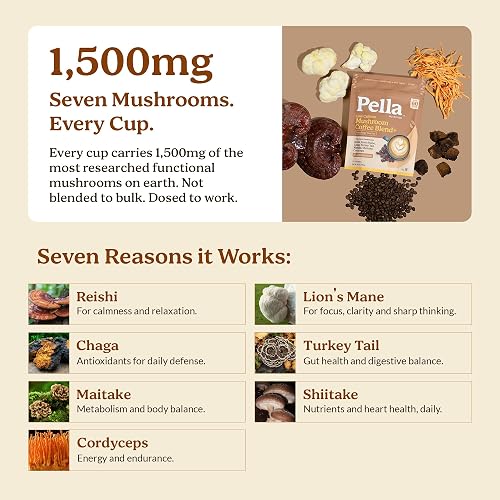
- Seven Mushrooms at 1,500mg Beats Most Rivals
- It Tastes Like Coffee First and Earth Second
- Sixty Servings Works Out to About 37 Cents a Cup
What Could Be Better
- The 1,500mg Blend Hides Each Mushroom's Dose
- No Fruiting Body or Extract Ratio on the Label
- Chaga and Reishi Are Not Free Passes for Everyone
- Low Caffeine Is Not the Same as Caffeine Free
How we test: Every product is used in real conditions and evaluated using our standardized scoring criteria. Read our full review methodology.
If you love coffee but caffeine has stopped loving you back, you already know the routine. The jitters, the mid-afternoon crash, and the self-imposed noon cutoff so you can sleep that night.
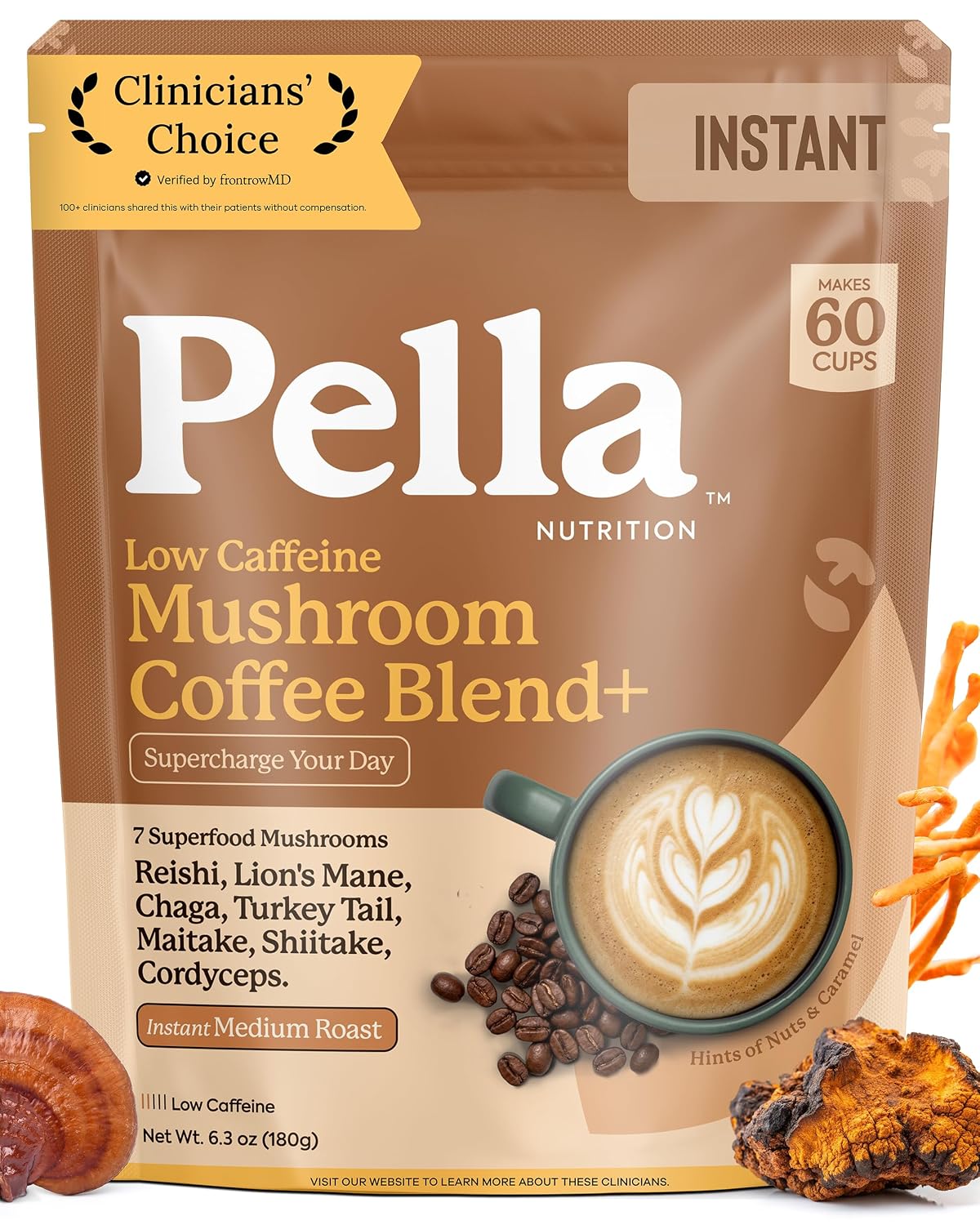
Pella Nutrition Low-Caffeine Mushroom Coffee is built for that exact problem. It is an instant mushroom coffee: real medium-roast arabica coffee blended with seven functional mushrooms, dissolved in hot water with no machine involved. The label puts each serving at 30-50 mg of caffeine, against roughly 90-95 mg in a standard cup of coffee.
I mixed it on camera, drank it across several days, and then read the label panels line by line. That last part matters more than it sounds, because the label is where mushroom coffee brands tend to go quiet. One bag holds 60 servings, and the scoop is sitting right on top of the powder when you open it.
The powder itself smells like caramelly instant coffee rather than anything from a forest floor, which is the first hurdle most of these blends fail. At $21.99 for the bag, it also lands nowhere near the usual functional-coffee price.
The short version is that it does the one thing it promises. It is not decaf and does not pretend to be, and the caveats worth knowing are less about the cup than about what the label declines to tell you.
What I Liked
Five things stood out across several days of drinking this, and most of them are the things mushroom coffee usually gets wrong.
The Caffeine Load Really Is Half a Normal Cup
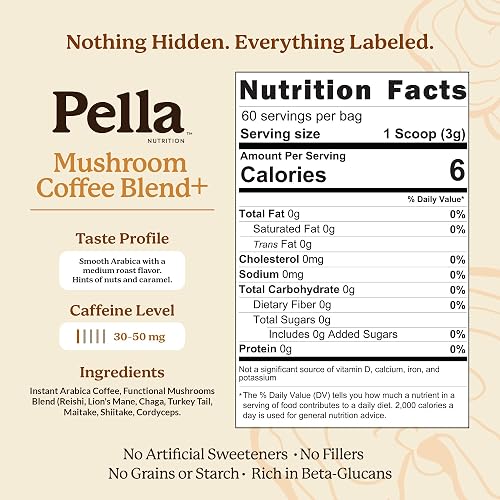
The label states a caffeine level of 30-50 mg per 3 g scoop. Scott Grant, a Certified Senior Advisor who tested this blend hands-on, weighed that against the 90-95 mg in a standard cup of coffee, which puts it at roughly a third to a half of a normal cup.
I am sensitive to caffeine, and the difference showed up in how much I could drink. With regular coffee I stop at half a cup; I finished a full mug of this without the racing-heart feeling that usually follows.
That changes when you can drink it. A 2:30 cup, or a warm mug after dinner while reading, stops being a decision you pay for at midnight.
One Scoop Dissolves Clean With No Grit or Clumps
One level scoop into about 8 oz of hot water is the entire process. It went in with no lumps and left no grainy texture at the bottom of the mug, and Grant reported the same thing independently, describing the powder as fine and cocoa-like with no residue.
That matters more than it sounds, because sediment is the standard complaint in this category. Testers reviewing Ryze repeatedly found undissolved powder settled in the last few sips even after switching from a spoon to a frother.
You can also mix it cold, which the bag allows for and which most instant blends handle poorly.
Seven Mushrooms at 1,500mg Beats Most Rivals
The blend runs to reishi, chaga, turkey tail, maitake, shiitake, cordyceps, and lion’s mane mushroom, with the label putting total mushroom content at 1,500 mg per cup. All seven are described as rich in beta-glucans, the compounds most often tied to immune research.
Seven is unusual here. Ryze uses six, Four Sigmatic’s blend is two, and Everyday Dose is also two, so this is a wider mushroom blend than most of the shelf. Lion’s mane and cordyceps do most of the marketing work — one for the brain, one for steady energy — but you get the other five regardless.
Whether a broader lineup of fungi does more for you than a narrower one is genuinely unsettled science. What is not in dispute is that you are getting more species for less money.
It Tastes Like Coffee First and Earth Second
The coffee taste arrives before anything else does. It is a smooth arabica medium roast with the hints of nuts and caramel the bag advertises, and the earthy notes sit underneath rather than on top. It never turned bitter or muddy across the days I drank it.
One Amazon reviewer put it well, calling it a mild coffee flavor that is “not as woodsy and earthy as some other mushroom coffees out there.” You cannot taste that seven different mushrooms are in the cup, and the mushroom flavor most people brace for never shows up.
I drank it as black coffee to judge it fairly, and the mouthfeel stayed clean rather than chalky. A splash of milk or creamer buries the earthy edge completely if you would rather not meet it at all.
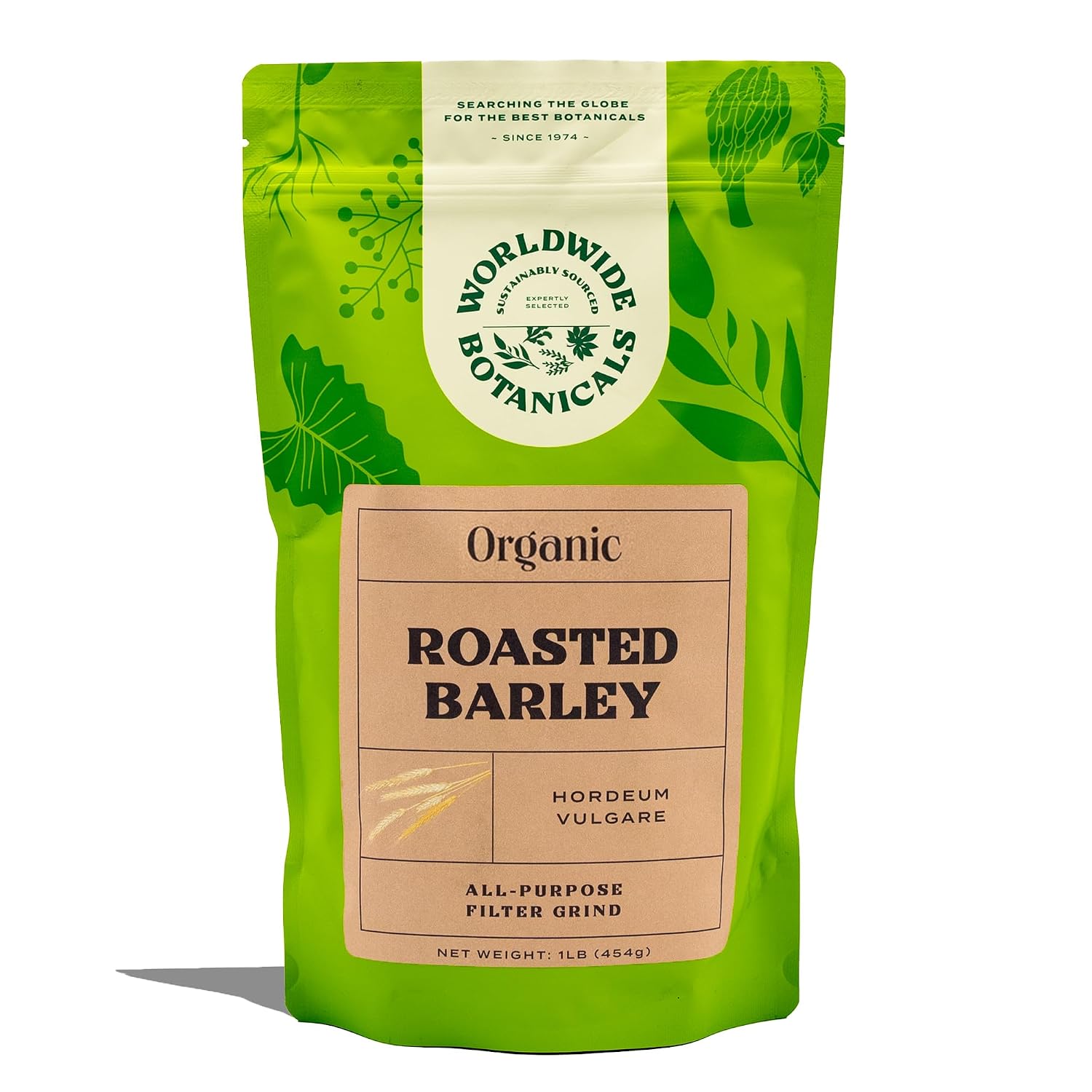
I want to be fair about the ceiling, though. This is not the finest coffee you will ever drink, and it is not built to be — it is a good coffee that happens to carry a mushroom supplement. Pella folds its supplements into things you already drink, which is also how the Pella Nutrition Sea Moss Drops handle thyroid, immune, and digestive support in a ten second dropper rather than another capsule. If you want the ritual with no caffeine in the cup at all, the Worldwide Botanicals Organic Roasted Barley brews Italy’s caffeine free alternative in whatever machine you already own.
Sixty Servings Works Out to About 37 Cents a Cup
At $21.99 for 60 servings, each cup costs about $0.37. Ryze and Four Sigmatic run roughly $1.20 to $1.67 per serving, so this undercuts the established names by three to four times on a per-cup basis.
The bag covers about a two-month supply at a cup a day, which is a long enough runway to judge whether anything changes for you.
The nutrition panel stays clean too: 6 calories, 0 g of sugar and 0 g of added sugars, with no artificial sweeteners, fillers, grains, or starch listed.
What Needs Improvement
The cup is good. The paperwork behind it is where this blend gives ground, and two of these points decide whether it belongs in your kitchen at all.
The 1,500mg Blend Hides Each Mushroom’s Dose
That 1,500 mg is a single combined number. The nutrition panel lists no amount for lion’s mane, reishi, cordyceps, or any of the other four, so there is no way to tell whether the blend leans on the cheap species and sprinkles the rest.
Scott Grant named this the biggest limitation in his hands-on testing, and Consumer Health Digest made the same point, noting the blend “may be unbalanced” precisely because the doses are undisclosed. If you came here specifically for lion’s mane, you cannot confirm you are getting a meaningful dose of it.
One Amazon reviewer who liked the taste landed in the same place, writing that the mushroom content “makes me wonder if any are in it.”
No Fruiting Body or Extract Ratio on the Label
The label also never says whether each mushroom extract comes from the fruiting body or from mycelium grown on grain. There is no extract ratio and no beta-glucan figure in milligrams.
Those three disclosures are the standard screening test experienced buyers use, because mycelium-on-grain biomass can dilute a dose sharply while the ingredient list still reads “lion’s mane.” EatingWell’s dietitian testing awards bonus points to blends that state how much mushroom you get, and this one does not clear that bar.
Chaga and Reishi Are Not Free Passes for Everyone
Chaga mushroom extract is high in oxalates, which matters if you are predisposed to kidney stones. That is not hypothetical here: one long-term drinker of this blend wrote that the chaga is exactly why she is reconsidering it after a past stone.
Reishi has been reported by dietitians to interact with medications including blood thinners. All mushrooms are also high-FODMAP, so anyone managing IBS or a mushroom intolerance should treat this as a food to clear with a clinician first. A minority of reader reviews report a musky taste and stomach upset.
Low Caffeine Is Not the Same as Caffeine Free
At 30-50 mg a cup this still contains caffeine, and it does not qualify if a doctor has told you to eliminate it. Some Amazon reviewers describe the product as caffeine free, which the label does not support.
Set expectations on the mushrooms too. Research behind functional mushrooms generally runs four to twelve weeks of daily intake, so a first cup mostly demonstrates the lower caffeine load rather than any mushroom effect. Mushroom coffee is not FDA-regulated, and this blend carries no third-party testing seal.
How It Compares to Other Mushroom Coffee Brands
Serious Eats found caffeine content scattered across this whole category, and its guidance for anyone cutting back is to pick an instant powder at 55 mg or less. Pella clears that bar; several of the best mushroom coffee brands below do not.
vs Ryze
Ryze is the default recommendation in this space and the closest structural match: an instant arabica blend, prepared the same one-scoop way. It carries about 48 mg of caffeine and six mushrooms, so it sits just behind Pella’s seven mushrooms and 30-50 mg.
The separation is cost and texture. Ryze runs about $1.20 a serving against roughly $0.37 here, and testers keep finding sediment in the last few sips — even after reaching for a milk frother — that Pella did not leave.
One point goes the other way. Ryze and Four Sigmatic are both built on certified organic coffee, and Pella’s label makes no organic claim at all. If organic mushroom coffee is a requirement rather than a preference, that decides it.
vs Four Sigmatic
Four Sigmatic is the pick for coffee lovers who want to keep brewing. Its Think blend is ground coffee rather than a coffee powder — real coffee grounds you run through a French press or drip machine — and that ritual is worth something no instant blend replicates.
The catch is that the caffeine content depends entirely on which box you buy. The instant half-caf lands near 50 mg, but EatingWell found the standard version sits close to traditional coffee.
It also uses two mushrooms, an organic lion’s mane mushroom extract and chaga, against seven here, at $1.20 to $1.67 a serving. Atlas coffee sits in that same roughly 50 mg instant group.
vs MUD/WTR and Rasa
These two are coffee substitutes rather than coffee, and that distinction matters more than the caffeine numbers suggest. MUD/WTR comes in lower at about 35 mg, but it contains no coffee bean at all — it is built on cacao, chai spices including cinnamon, turmeric, and nootropics, and you make it by pouring hot water over a tablespoon of the mix. EatingWell described it as a chocolatey, chai-like drink, which lands closer to a hot chocolate than to a morning cup.
Rasa goes further and is genuinely caffeine-free, positioning itself as an adaptogen brew rather than coffee, which makes it the right answer if a clinician told you to cut caffeine entirely. Serious Eats found its chicory-and-burdock flavor musty and reminiscent of rooibos tea, and it needs a French press or moka pot rather than a scoop.
The best mushroom coffee here depends on what you are protecting. For the best instant mushroom coffee value with a real coffee taste, Pella wins on price and species count; for zero caffeine go Rasa; for ground mushroom coffee you brew yourself, Four Sigmatic; and if you want the benefits of mushroom blends without any coffee in the cup, MUD/WTR.
Final Verdict
Pella Nutrition Low-Caffeine Mushroom Coffee does the narrow thing it set out to do: it keeps the coffee ritual intact at roughly a third to a half the caffeine, for about 37 cents a cup.
I am giving it a 4.1 out of 5.
The points it earns come from the cup itself — it dissolves clean, tastes like coffee rather than a forest floor, and puts seven mushrooms and 1,500 mg into a serving that undercuts Ryze and Four Sigmatic by three to four times. The points it loses are about disclosure, not flavor. The label will not tell you how much lion’s mane you are drinking, whether these are fruiting-body extracts, or what the extract ratio is, and the chaga and reishi carry real caveats for anyone with kidney stones, IBS, or a blood thinner in the cabinet.
Treat it as a low-caffeine coffee that happens to carry a mushroom supplement, not as a supplement that will do measurable work on a schedule you can predict.
Bottom line: If caffeine has become the problem and you want your afternoon cup back, this is a smart, cheap way to get there. If you need zero caffeine or a label that shows its math, buy elsewhere.
Specifications
| manufacturer | Pella Nutrition |
| package_dimensions | 8.35 x 6.46 x 2.05 inches; 5.9 ounces |
| units | 6.3 Ounce |
| upc | 850047312327 |
Frequently Asked Questions
How much caffeine is in Pella Low-Caffeine Mushroom Coffee?
The label states 30-50 mg of caffeine per one-scoop (3 g) serving. That is roughly a third to a half of the 90-95 mg in a standard cup of coffee. It sits under the 55 mg ceiling Serious Eats recommends for anyone deliberately cutting back.
Is Pella Low-Caffeine Mushroom Coffee caffeine free, and which mushroom coffee has the lowest caffeine?
No, it is low-caffeine rather than caffeine free, and a few Amazon reviews get this wrong. This is a reduction, not decaffeination. If you need genuinely zero caffeine, Rasa is the caffeine-free option, though it is a chicory-and-burdock brew rather than coffee. Among the many mushroom coffee brands that still contain coffee, this one is at the low end of the category at 30-50 mg.
Does Pella mushroom coffee taste like coffee?
Yes. It is a smooth arabica medium roast with hints of nuts and caramel, and the earthy notes stay underneath rather than dominating. It never turned bitter or muddy for me, even taken as coffee black, and the powder smells like caramelly instant coffee rather than mushrooms. It is not the finest coffee you will ever drink, but it is a good coffee.
What is the downside to Pella mushroom coffee?
The label. It gives one combined figure of 1,500 mg for all seven mushrooms, with no per-mushroom dose, no fruiting body versus mycelium disclosure, and no extract ratio. The chaga is also high in oxalates and the reishi may interact with blood thinners, so it is not a free swap for everyone.
Is Pella a good coffee alternative to Ryze mushroom coffee?
On the numbers, yes. Pella has seven mushrooms to Ryze's six, slightly less caffeine, and costs about $0.37 a serving against roughly $1.20. It also dissolved without the sediment testers repeatedly report with Ryze. Ryze still has the stronger brand record and a wider flavor range.
Does Pella mushroom coffee work?
The lower caffeine load is immediate and easy to feel. The mushroom side is slower and less certain: research on functional mushrooms generally uses four to twelve weeks of daily intake, so a single cup mostly demonstrates the reduced caffeine. Mushroom coffee is not FDA-regulated, and this blend carries no third-party testing seal, so treat any benefit as unproven for now.
Ready to Buy?
Pella Nutrition Low-Caffeine Mushroom Coffee delivers on its promises. If it fits your needs, it's a solid choice you won't regret.
Check Price on Amazon Founder & Product Reviewer at TheReviewRewind
Daniel has tested 400+ products across 20+ categories through hands-on, real-world testing. Every review includes video documentation and standardized scoring criteria. His reviews appear as Amazon shoppable videos and here on TheReviewRewind.
We earn a commission if you make a purchase, at no extra cost to you. This does not influence our ratings or recommendations. Full disclosure
Looking for more options? See all our Grocery & Gourmet Food reviews.
Related Reviews