Worldwide Botanicals Organic Roasted Barley Review: Italy's Caffeine-Free Coffee Alternative, Tested


Worldwide Botanicals Organic Roasted Barley Review: Italy's Caffeine-Free Coffee Alternative, Tested
Worldwide Botanicals Organic Roasted Barley
Buy if you want the coffee ritual after noon without the caffeine, and you brew in a drip machine, French press, espresso maker or teapot. Skip if you want an instant powder that stirs into hot milk, need a true caffeine kick, or must avoid gluten.
Buy on AmazonWhat We Liked
- Caffeine Free Means the 4 p.m. Cup Costs You Nothing
- It Brews Like Coffee in Whatever Machine You Already Own
- The Dark Roast Pulls Nutty and Rich Without Turning Bitter
- Acid Free Matters If Coffee Has Been Bothering Your Stomach
- One Certified Organic Ingredient and Three Calories a Cup
What Could Be Better
- This Is Not Instant and the Listing Does Not Say So Loudly
- Steep It Without a Filter and You Get Silt in the Cup
- It Is Close to Coffee but Nobody Will Mistake It for Coffee
- Barley Contains Gluten Even Though Some Listings Imply Otherwise
How we test: Every product is used in real conditions and evaluated using our standardized scoring criteria. Read our full review methodology.
Coffee is a ritual before it is a beverage. The trouble is that the ritual does not care what time it is, and caffeine does.
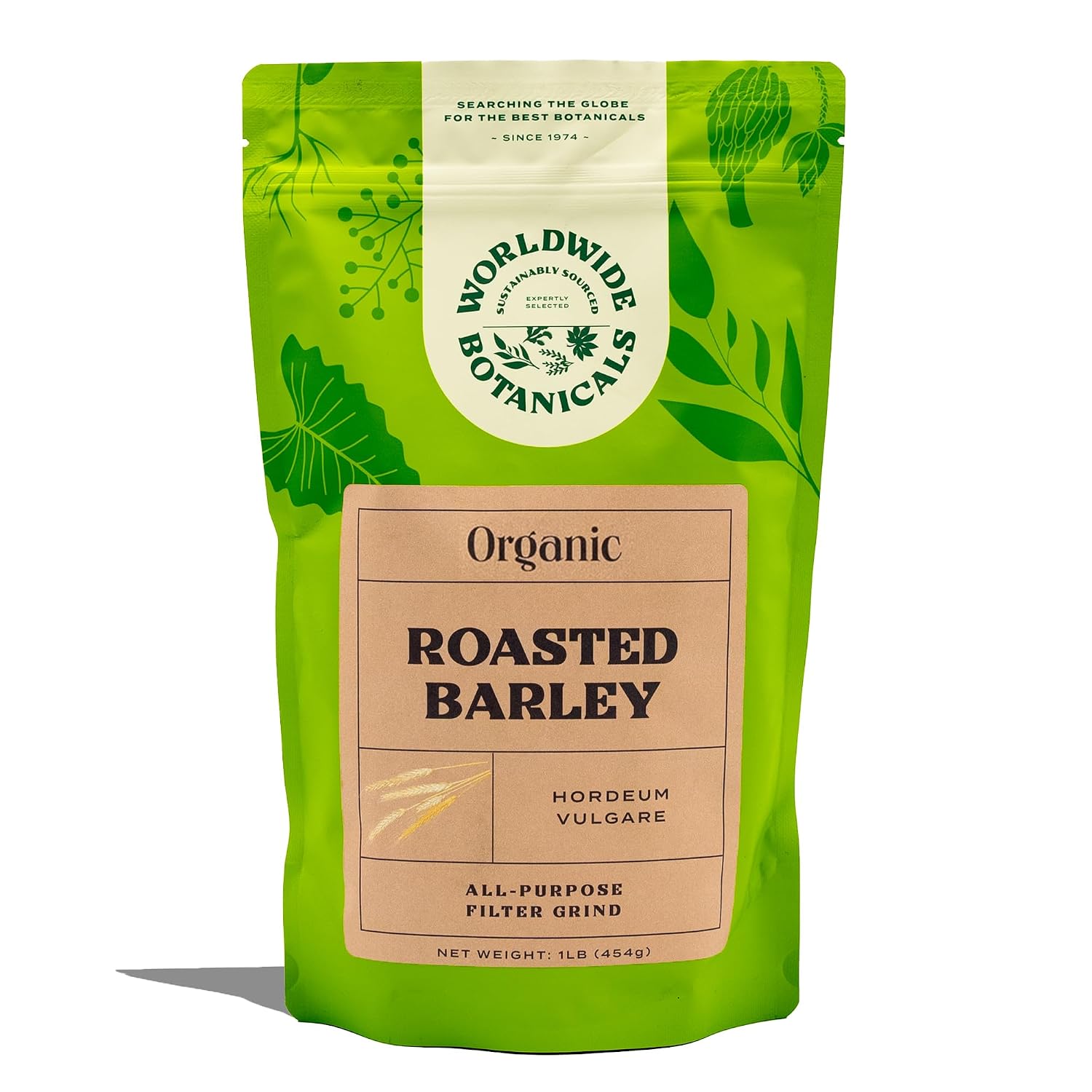
That gap is exactly what the Worldwide Botanicals Organic Roasted Barley is built for. It is a 1 pound bag — 16 ounces, or 454 g — of dark roasted barley, Hordeum vulgare, one ingredient and nothing else, and you brew like coffee or steep like tea rather than stirring it in like an instant powder. Italians have done this for generations and call it caffè d’orzo, Italy’s favorite caffeine-free coffee alternative, while the same roasted grain gets chilled into mugicha in Japan, boricha in Korea, and damaicha in China.
The bag costs $12.99 and holds 45 servings at three calories each, which works out to roughly 29 cents a cup. It is sold on Amazon as Worldwide Botanicals Organic Barley, Dark Roast, and averages 4.4 stars across 568 ratings.
I opened the bag, pulled it as a shot in my espresso machine, and checked what this dark roast actually delivers against what the listing promises. The short version: it does the caffeine free job well, and one detail trips up a surprising number of first-time buyers.
What I Liked
Caffeine Free Means the 4 p.m. Cup Costs You Nothing
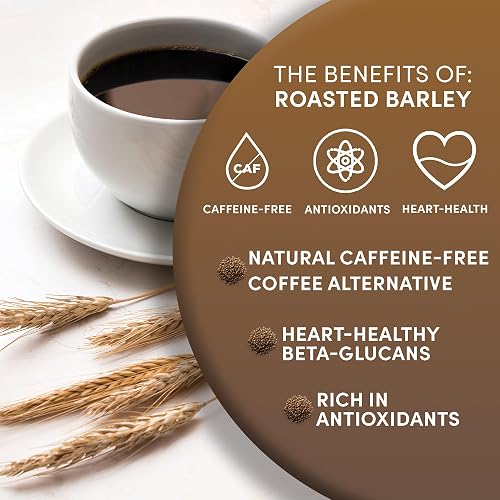
This organic roasted barley is 100% caffeine free, and that single fact carries the whole product. You can pour a cup at 4 p.m., after dinner, or right before bed without it touching your sleep.
Worth being precise about the difference: decaf coffee starts as a caffeinated bean and goes through decaffeination, which leaves a small residual amount behind. Barley never had any to remove.
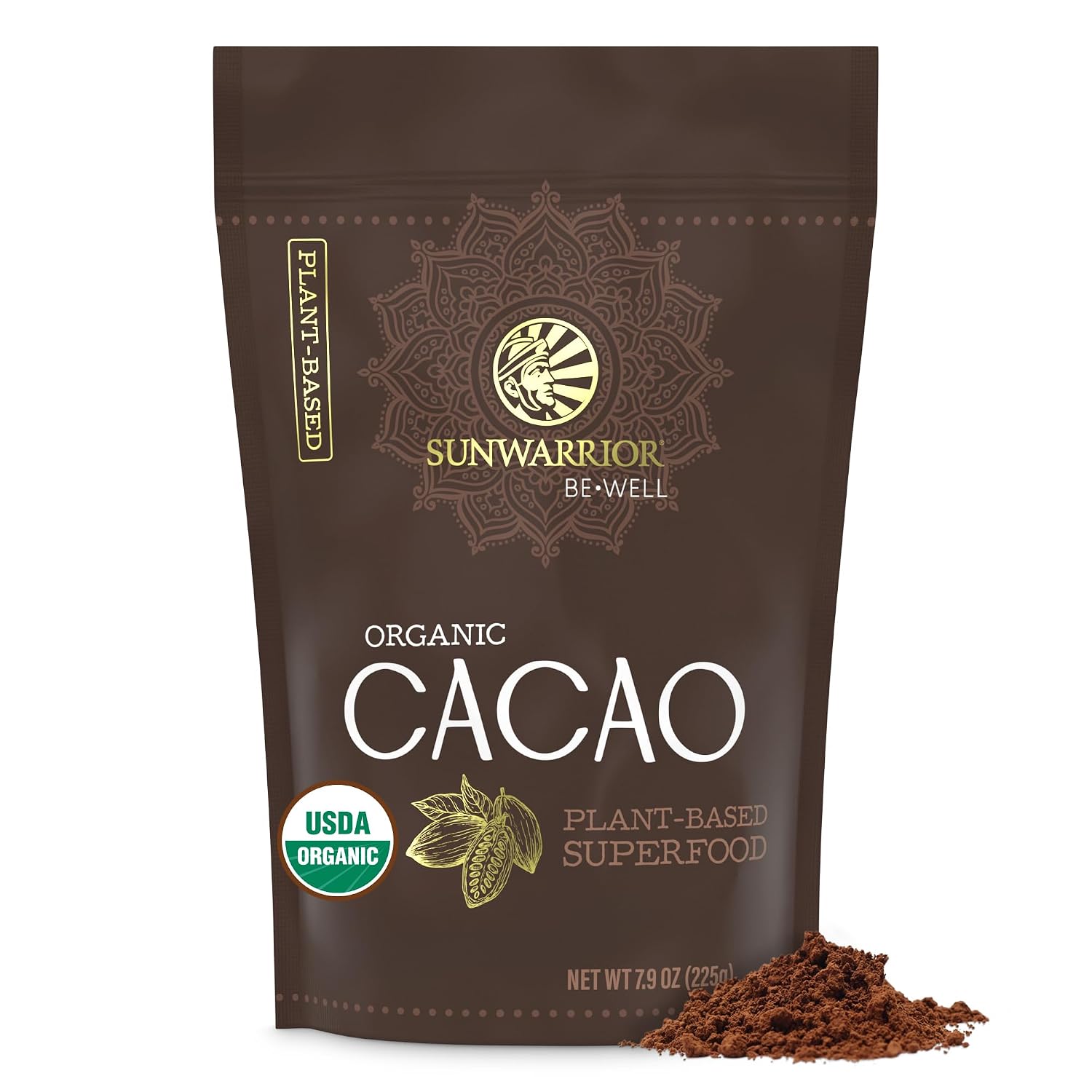
I do not handle caffeine well — even some decaf gets me — so having something I can brew at any hour matters more to me than any flavor note below. The ritual survives and the stimulant does not. Stirring in cocoa is the one addition to think twice about at that hour, since the Be Well Organic Cacao Powder carries about 15 mg of caffeine per serving into an otherwise caffeine free mug.
It Brews Like Coffee in Whatever Machine You Already Own
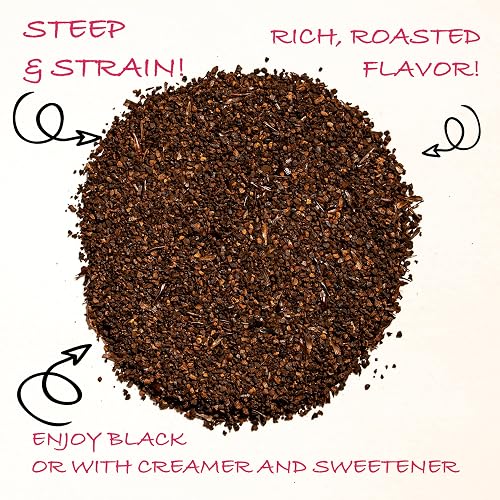
This is an all-purpose filter grind, so there is no new equipment to buy. You brew this barley like coffee in a drip coffeemaker, an espresso machine, a French press, or a pour-over, at roughly 1-2 tbsp per 2 cups of water — the same ratio you would use for coffee.
I put two tablespoons in the portafilter, gave it a light tamp, and pulled a single shot. No special basket, no adjustment to the machine.
It can also be steeped in a tea pot and strained through a fine mesh strainer, about 1 rounded tbsp per 8 oz cup. That flexibility is rare here, since most coffee alternatives ship as instant powder and nothing else.
The Dark Roast Pulls Nutty and Rich Without Turning Bitter
The dark roast brews up mildly dark and nutty, rich without tipping into bitter. It does not taste exactly like coffee and I will not pretend otherwise, but it lands close enough that the ritual holds.
A pour-over through a paper coffee filter comes out looking like espresso. One Amazon reviewer described the same result: “It doesn’t taste like coffee but it brews like coffee… It comes out very dark like espresso.”
It can be enjoyed hot or cold, and a splash of creamer adds richness without burying the roasted, nutty character. Foamed milk turns it into a barley cappuccino or a latte, which is how the brand suggests serving it on the back of the bag.
Acid Free Matters If Coffee Has Been Bothering Your Stomach
The listing describes this barley as acid free, and that is the detail worth attention if regular coffee bothers you. For a lot of people the problem is the acidity rather than the caffeine.
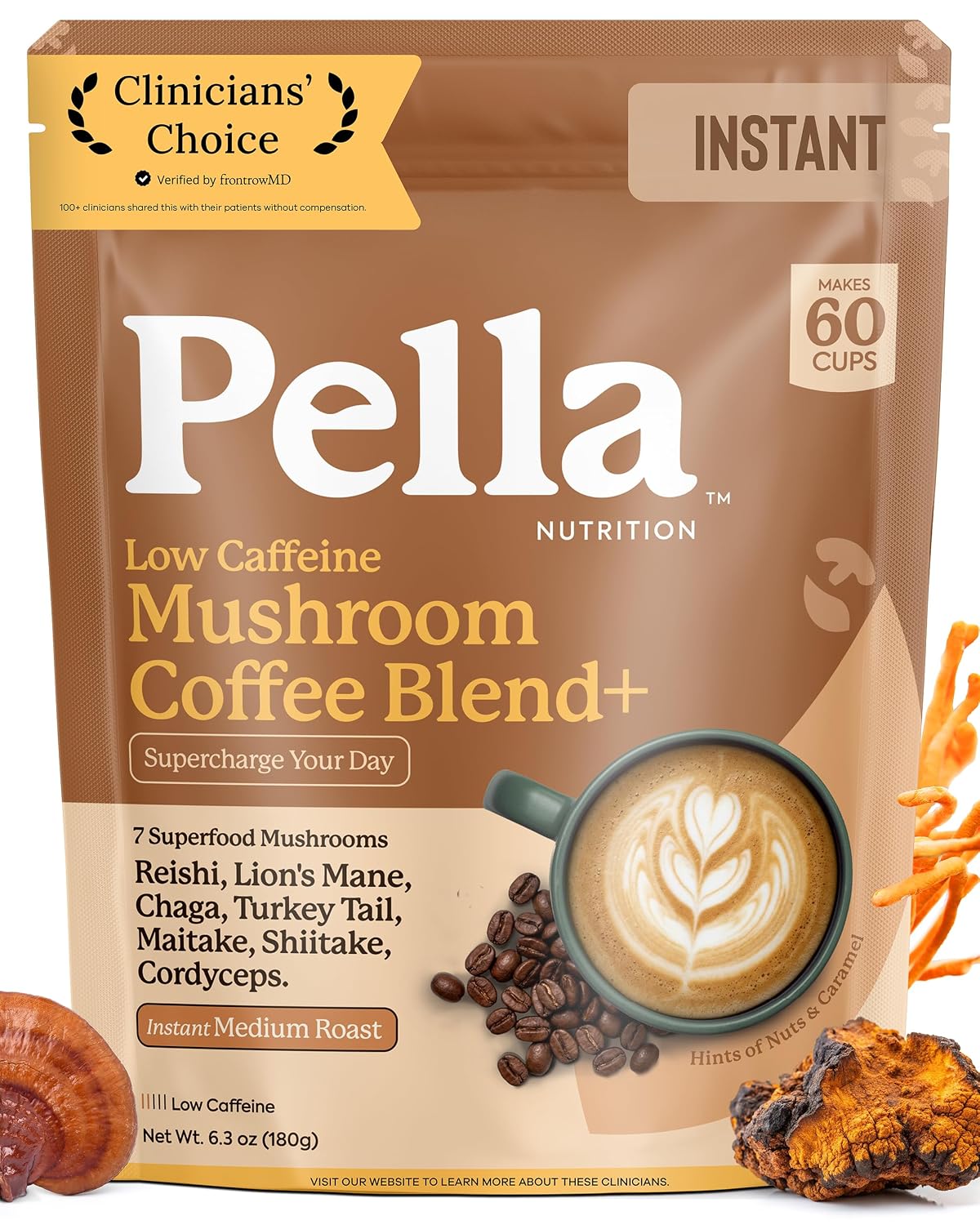
You get the dark roasted experience without it. Barley has been easy on my digestion, which lines up with what most drinkers of this style report. If your stomach handles coffee fine and caffeine is the actual problem, the Pella Nutrition Low-Caffeine Mushroom Coffee keeps real arabica in the mug at 30 to 50 mg a cup instead of removing the bean entirely.
One Certified Organic Ingredient and Three Calories a Cup
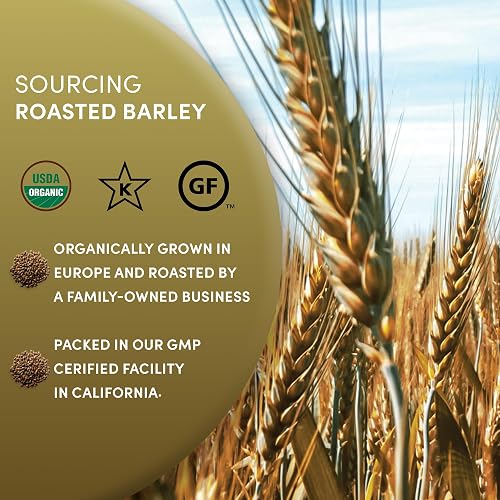
The ingredient panel lists exactly one thing: organic barley. It carries United States Department of Agriculture organic certification, is Kosher under standard kashrut marking, and is non-GMO, with no artificial ingredients, preservatives, or chemicals.
Each serving is three calories and the bag holds 45 of them, so the entire pound comes to about 135 calories. The barley is grown in Europe under organic agriculture, roasted by a family-owned business, and packed in a GMP certified facility in California. That same one line label philosophy shows up in the Lineage Provisions Raw Organic Honey, which backs its single ingredient jar with testing for over 390 contaminants.
What Needs Improvement
This Is Not Instant and the Listing Does Not Say So Loudly
This is the biggest point of confusion with the product, so it belongs first. Spoon it straight into hot milk expecting it to melt in and it will not — it just sits there.
One Amazon buyer did exactly that and reported that it “did not dissolve and made the milk tasted like burned popcorn.” They had been shopping for Orzo Bimbo, the Italian soluble orzo, and received ground orzo barley instead.
That is not the product failing so much as the wrong method being used. Still, the listing leads with “Brew Like Coffee” and leaves the implication buried, and a one-star review is what that ambiguity costs.
Steep It Without a Filter and You Get Silt in the Cup
Brew it through paper and the cup is clean. Steep it loose, strain it poorly, and you will find sediment waiting at the bottom.
A four-star Amazon reviewer put it plainly: “the barley pulp affects the taste and texture. It would be better if the pulp could be filtered out while retaining the flavor.” A reviewer on the brand’s own site said the same of the tea version, noting “the only thing is the sediment it leaves in the glass.”
A paper filter or a fine mesh sieve solves it. Grind size matters too, since one forum drinker packed an espresso grind into a French press and found “a lot of dry grains” left behind.
It Is Close to Coffee but Nobody Will Mistake It for Coffee
Set your expectations before the first cup. Drinkers who have spent real time with roasted barley describe it as malt-forward and roasty rather than coffee-like, and one forum regular wrote that “even brewed properly it tastes kinda like wort,” though he still called it drinkable.
The Kitchn, writing about caffè d’orzo as a category, found it “earthy, slightly bitter, with less body and richness than real espresso.” If you want a drink that passes for coffee, this is not it. If you want a dark roasted cup that stands on its own merits, it is.
Barley Contains Gluten Even Though Some Listings Imply Otherwise
Barley is a gluten-containing grain. Some marketplace listings for this product describe it as gluten free and the packaging art carries a GF mark, but the grain itself is not suitable for celiac disease or strict gluten avoidance.
If that describes you, a chicory-based alternative is the safer route. This is the one caveat on the list where getting it wrong actually matters.
How It Compares
Against Instant Orzo Like Orzo Bimbo
This is the comparison that actually decides the purchase, since instant is what most people picture when they hear Italy’s favorite coffee alternative. Instant orzo dissolves in a cup of hot milk in seconds, and that convenience is the entire reason people buy it.
This ground barley cannot do that, and it does not try to. What you get in exchange is control over strength and extraction, plus a fresher cup — reviewers of soluble orzo consistently complain it lacks depth of flavor, the same charge people level at instant coffee.
Against Teeccino and Other Chicory Blends
Teeccino is the biggest name in this aisle, and there is a direct connection: Teeccino Caffé, Inc. is listed as the manufacturer on this product’s own Amazon spec sheet. Its French Roast blends chicory root, carob, and barley and holds 4.4 stars across more than 3,600 Amazon customer reviews, though some drinkers there report burnt or molasses-like notes.
The split is chicory versus pure barley. Chicory runs darker, more bitter, and more roast-forward, and brings inulin as a prebiotic fiber; barley is malt-sweet and smoother with beta-glucans instead.
One drinker who switched put it this way: “I needed to go off coffee and found Chicory to be a bit harsh. This barley has a far more delicate taste that I find more enjoyable.” Chicory also has one practical advantage worth repeating — it contains no gluten.
Postum takes a third route with instant roasted wheat and molasses, sweeter and grainier. Pero and Cafix sell barley, rye, and chicory blends that dissolve on contact, and Teeccino leans on dandelion root (Taraxacum) and other herbs to build a roasted herbal tea profile that this single-ingredient barley does not attempt.
Against Bagged Mugicha and Boricha Barley Tea
If you only ever want organic roasted barley tea rather than a coffee-style brew, tea bags are the tidier option. The same brand sells its barley in 6 g tea bags at $9.99, and bagged mugicha from Japanese and Korean grocers is cheaper still.
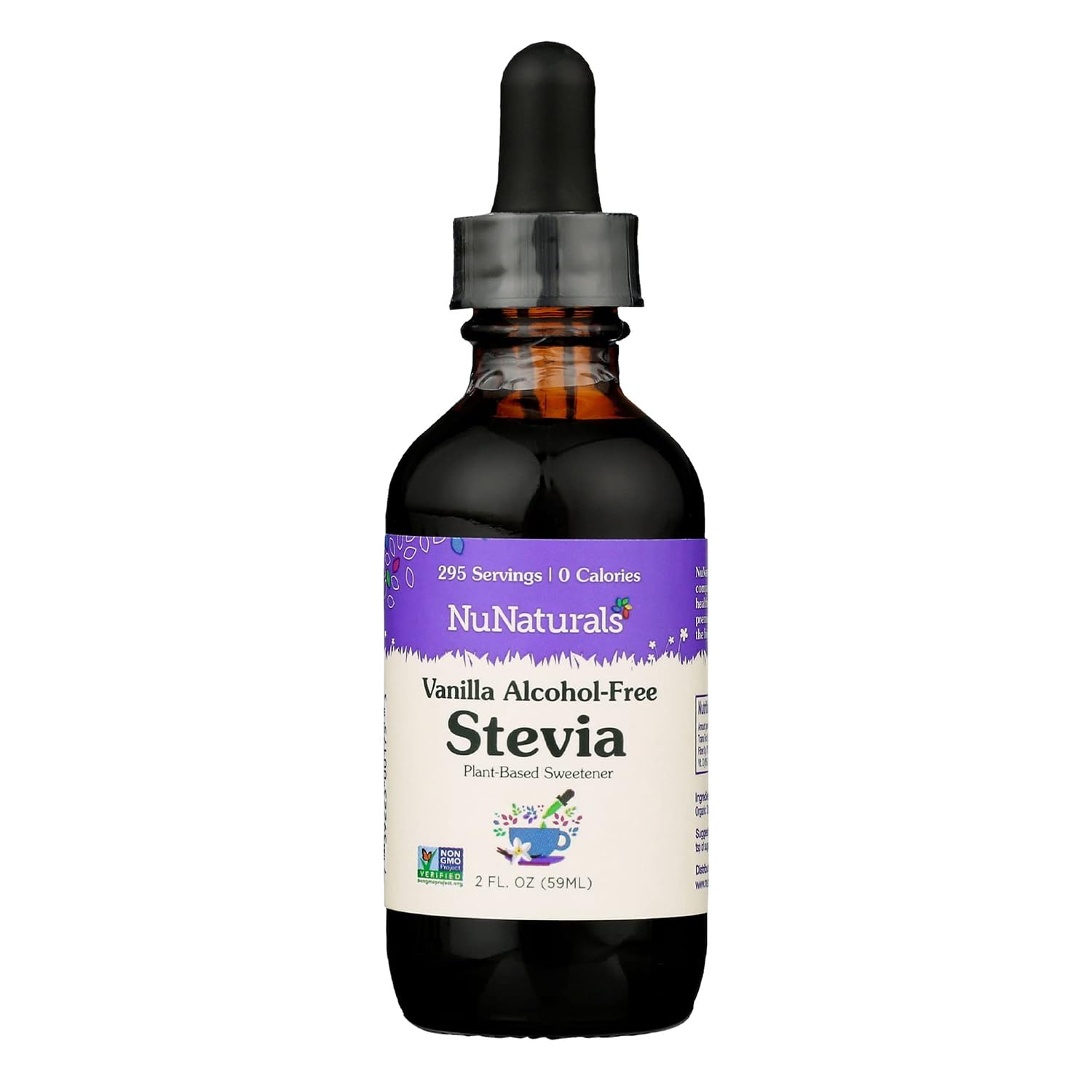
Bags cost you strength and flexibility. You cannot pull a bag as espresso, blend it into your coffee grounds, or dial the ratio up for a dark cup — and at 45 servings for $12.99, this bag is the cheaper per cup of the two formats. Whichever format you settle on, a few drops of NuNaturals Vanilla Liquid Stevia sweeten a malty cup hot or iced without adding calories or carbs.
Final Verdict
If you are trying to cut caffeine without giving up the daily cup, this is the strongest option I have found. You get a dark, nutty, acid free brew from a single certified organic ingredient, and it works in whatever coffee setup is already on your counter.
At $12.99 for a 1 lb bag of 45 servings — roughly 29 cents a cup — the price is not the obstacle. The one thing to settle before you buy is the format: this is a ground grain you brew or steep, not a powder you stir into milk, and every one-star complaint about this product traces back to that misunderstanding.
Get the method right and it holds up. 4.2 out of 5 for a coffee alternative that earns its place in the afternoon.
Specifications
| manufacturer | Teeccino Caffé, Inc. |
| package_dimensions | 10.24 x 6.42 x 2.83 inches; 1 pounds |
| units | 16 Ounce |
| upc | 795239100712 |
Frequently Asked Questions
How do I brew Worldwide Botanicals Organic Roasted Barley as coffee?
Treat it exactly like coffee grounds. The all-purpose filter grind works in a drip machine, espresso machine, French press, or pour-over at roughly 1-2 tbsp per 2 cups of water. In an espresso machine, two tablespoons in the portafilter with a light tamp pulls a clean single shot. A paper filter gives the cleanest cup and produces a brew as dark as espresso.
Is Worldwide Botanicals Organic Roasted Barley instant, and does it dissolve in the cup?
No, and this is the single most common mistake buyers make. This is a ground grain, not a soluble powder, so spooning it into hot milk leaves it sitting on the surface and tasting scorched. If you want a stir-and-go drink, you need instant orzo such as Orzo Bimbo, or a grain instant like Pero or Cafix.
How do I make iced mugicha with Worldwide Botanicals Organic Roasted Barley?
Steep it like tea rather than brewing it like coffee. Use about 1 rounded tbsp per 8 oz of water in a teapot, strain it through a fine mesh sieve, then chill it and pour over ice. That chilled version is what the Japanese drink as mugicha, Koreans as boricha, and the Chinese as damaicha.
Is it safe to drink Worldwide Botanicals roasted barley tea every day?
It is caffeine free, contains one ingredient, and carries three calories per serving, so a daily cup is not a concern for most people. The brand's health claims about digestion, antioxidants, and stress are traditional reputation rather than proven clinical outcomes. The real exclusion is gluten - barley is a gluten-containing grain, so skip it entirely if you have celiac disease.
Does Worldwide Botanicals Organic Roasted Barley taste like real coffee?
Close, but not identical, and it is worth going in with that expectation. It brews mildly dark and nutty, rich rather than bitter, and looks like espresso in the cup. Drinkers consistently describe roasted barley as malt-forward and roasty rather than truly coffee-like, so this reads as its own drink rather than a coffee impersonation.
How does Worldwide Botanicals Organic Roasted Barley compare to Teeccino and other coffee substitutes?
Teeccino blends chicory, carob, and barley, which makes it darker and more bitter with inulin prebiotic fiber, while this is pure barley - smoother, malt-sweet, and carrying beta-glucans. Teeccino Caffé, Inc. is actually listed as this product's manufacturer. Chicory blends also have one edge worth knowing, since they contain no gluten and barley does.
Ready to Buy?
Worldwide Botanicals Organic Roasted Barley delivers on its promises. If it fits your needs, it's a solid choice you won't regret.
Check Price on Amazon Founder & Product Reviewer at TheReviewRewind
Daniel has tested 400+ products across 20+ categories through hands-on, real-world testing. Every review includes video documentation and standardized scoring criteria. His reviews appear as Amazon shoppable videos and here on TheReviewRewind.
We earn a commission if you make a purchase, at no extra cost to you. This does not influence our ratings or recommendations. Full disclosure
Looking for more options? See all our Grocery & Gourmet Food reviews.
Related Reviews